Welcome
Football Coverage, Around the Clock
Mì Tôm TV — Mitom TV — is a Vietnamese online football platform built for fans who want full HD streams alongside the numbers that matter: schedules, standings, odds, results, and livescore for leagues across the globe. Alongside the live game, the site runs video highlights, football knowledge guides, and news updates around the clock, operating from Ho Chi Minh City.
Browse match times for the Premier League, Champions League, Serie A, La Liga, Bundesliga, Ligue 1, V League, and dozens of other competitions, then check back for results and commentary once the whistle blows.
What You'll Find on Mitom TV
Live Streaming
Schedules
Standings
Odds & Results
Knowledge & News
Asian Teams Adapt Their Defending to European-Style Football
A Tactical Look at How Asian Teams Are Adapting to European-Style Defending begins with a clear change in ambition. Leading Asian sides now use coordinated pressing, compact mid-blocks and deliberate possession build-up rather than treating defence as a passive retreat. The goal is to control where danger develops, not merely to survive the first twenty minutes.
European-style defending is not one fixed system. It can involve a high press, aggressive counterpressing after a turnover, or a narrow defensive line that funnels an opponent towards the touchline. Asian teams are combining these methods with technical fluency and rapid transitions, producing tactical hybrids rather than simple copies.
For Australian viewers, the Socceroos sit between two footballing worlds: they compete in Asia while drawing on European coaching methods and players. A-League clubs provide another testing ground, particularly in compact venues around Melbourne and Perth. Locally, the game is simply football, and the verdict on a passive display is usually that the team never gave it a proper go.
The defensive line starts higher and moves together
Some Asian teams still sit deep when facing heavy favourites, and that remains a sensible response to certain European clubs. What has changed is the starting point for their best performances. The front line now closes down early, the midfield blocks central passing routes, and the defenders stay ready for immediate pressure rather than dropping into retreat.
The useful European lesson is timing. A coordinated press can force a side backwards and create a numerical superiority on one side of the pitch. An uncoordinated surge simply drags teammates apart. Japan’s coordinated pressing and South Korea’s willingness to counterpress show different routes to the same end: recover possession before the opponent can establish rhythm.
The fullback changes the defensive geometry
Modern European defending often makes fullbacks vital to pressing and wide control. Asian teams have responded by giving them more varied jobs. One fullback may push high to seal the touchline, another may move inside to create a midfield overload, or both may exchange positions to confuse the first pass.
Japan’s frequent use of inverted or rotating fullbacks in a back three illustrates the opportunity and the risk. In possession, the move creates central numbers and short passing angles. Rest defence must then protect the vacated flank with disciplined spacing and a clear counterpress trigger. Copying the attacking freedom without that structure leaves a large channel behind the team.
The mid-block becomes a launch point
A well-shaped mid-block can make a European side patient without letting it dictate. Defenders stay compact, midfielders shade towards the ball, and the far winger drops to prevent a simple switch. When pressure arrives, the team can step towards the carrier, force a backward pass and attack the next regain.
That makes defending an attacking phase. South Korea has often used quick counterpressing after losing the ball, while Iran and Saudi Arabia have shown how a compact block can frustrate stronger possession sides before launching a direct transition. The details vary, but the shared idea is to make the loss of the ball dangerous.
Viewers can use Kopliku football analysis for extra tactical context, especially when terms such as rest defence, press trigger and defensive-third circulation appear in pre-match notes. Watching the team’s shape around those concepts is often more revealing than simply counting possession.
Set pieces decide more than dead balls
European-style defending includes what happens before the ball is put back into play. Many Asian teams have tightened their routines for corners and free kicks, using near-post screens, decoy runners and sudden changes of direction to pull markers out of position. On the defensive side, coordinated zonal and man-marking assignments aim to deny clean contact.
This preparation matters because even a side that presses aggressively can change its personnel and defensive posture for a corner. A team that wins the ball after the restart must also know whether to counterpress immediately or hold its shape and invite the opponent out. That decision turns an obvious restart into a rehearsed attacking transition.
Australia lives between two tactical worlds
The Socceroos illustrate the exchange directly. Their AFC campaigns often involve opponents shaped by European club systems, yet Australia’s own coaches and players bring ideas developed across Europe and Asia. A-League training adds another layer, particularly at AAMI Park in Melbourne and Optus Stadium in Perth, where field dimensions and close touchlines reward rapid switches and support play.
The Australian viewing market mixes free-to-air coverage, subscription television and streaming platforms, while European fixtures often arrive across inconvenient time zones. Supporters may plan around a late start or an early-morning finish, as many regular viewers in Sydney, Brisbane and Adelaide know. An accessible fixture hub therefore has real value for fans comparing schedules, standings and live options.
Watch the details that decide the game
Before kick-off, check Mitom TV streaming for the selected fixture, then review the listed formations and recent results. During the first phase, watch where the press begins and whether the striker, midfield line and back line move together. If one player chases alone, visual effort can disguise a broken structure.
Next, track the distance between defence and midfield and observe their response when possession is lost: counterpress, retreat into shape or drift towards their own penalty area. Then examine fullback positioning, the compactness of the central block and the first option after a recovery. These cues reveal whether the adaptation has produced genuine control.
Choose the next Asian international or leading club fixture on Mitom TV, presented from Ho Chi Minh City for viewers worldwide, then press play and follow those three details: the press trigger, the rest-defence spacing and the transition after losing the ball. The tactical picture becomes clearer when each movement is connected to the team’s attempt to dictate the next phase.
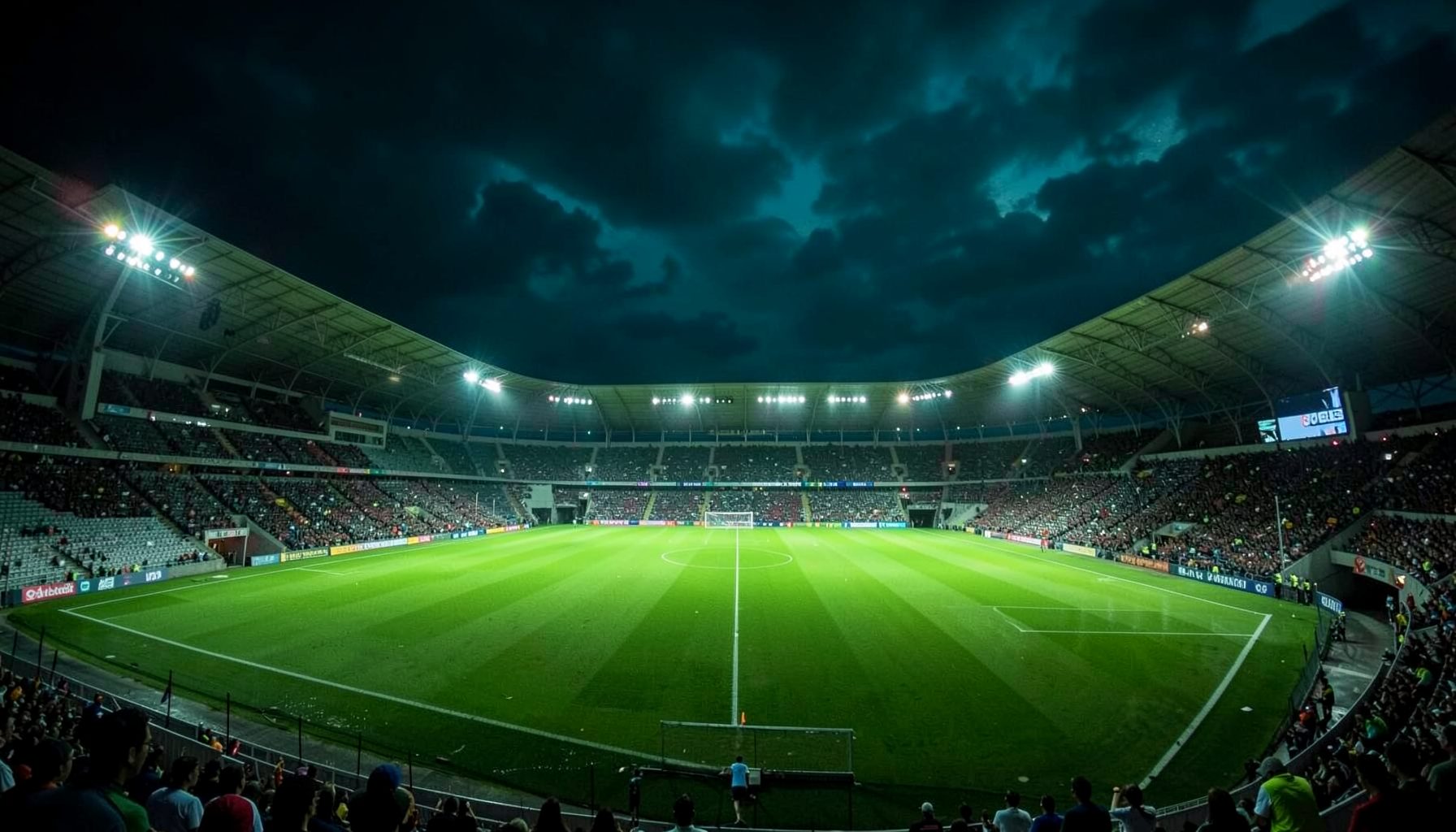
Explore the Full Fixture List
Check schedules, standings, and odds for the leagues you follow, all in one place.
View Schedule