


Welcome
Football Coverage, Around the Clock
Mì Tôm TV — Mitom TV — is a Vietnamese online football platform built for fans who want full HD streams alongside the numbers that matter: schedules, standings, odds, results, and livescore for leagues across the globe. Alongside the live game, the site runs video highlights, football knowledge guides, and news updates around the clock, operating from Ho Chi Minh City.
Browse match times for the Premier League, Champions League, Serie A, La Liga, Bundesliga, Ligue 1, V League, and dozens of other competitions, then check back for results and commentary once the whistle blows.
What You'll Find on Mitom TV
Live Streaming
Schedules
Standings
Odds & Results
Knowledge & News
How football rights shaped Southeast Asia
The history of football broadcasting rights deals in Southeast Asia began with a scheduling rarity: a full match, delivered by satellite or videotape, often appeared on general-interest television. Viewers followed European leagues, international tournaments and local clubs. Coverage was modest, but demand for regular football was already visible.
Rights soon became the engine of that demand. Broadcasters paid for exclusivity, built channels around it and used football to drive subscriptions. As satellite penetration and household incomes rose, negotiations moved from one-off event fees to multi-year contracts covering leagues, cup competitions and national-team fixtures.
Australian fans can recognise the pattern through their own subscription television market. European football arrived on free-to-air and pay-TV, while Asian competitions built dedicated audiences in Sydney, Melbourne and other cities. The region’s changing deals show how ownership, technology and viewing habits now shape the game.
From scheduled specials to satellite exclusivity
Early coverage was free-to-air or carried within broad entertainment contracts. Channel V and national networks supplied imported matches, usually with local commentary and long scheduling gaps. The shift came in the 1990s and 2000s, when Astro, TrueVisions, VTVcab and other pay-TV operators bought exclusive rights and created sport-specific schedules.
English Premier League rights were central. Exclusive packages made familiar clubs an anchor for each channel, while local-language presentation widened their reach. Scarce live access, highlights and replays reinforced the channel’s value. Deals often covered several Southeast Asian countries, although operators later competed for territory-specific rights as audiences fragmented.
The AFF era and a regional football audience
The AFF Championship turned regional club and national-team football into a dependable broadcast property. Since it began in 1996, the Indonesia 2004 edition and four-country 2007 tournament built regular encounters among Singaporean, Thai, Malaysian, Vietnamese and Indonesian sides; the Philippines joined the competition later. Local co-hosts sold rights in different ways.
That inconsistency produced an important lesson: a tournament could create national value without one broadcaster controlling every market. Free-to-air stations protected national-team interest, while pay-TV and satellite operators monetised club matches and wider coverage. Sponsor packages, local commentary and supporter-focused programming made the AFF a bridge between domestic leagues and international football.
World Cups and the great rights race
FIFA World Cups accelerated the bidding contest. For the 2010, 2014 and 2018 editions, international media partners acquired central packages and sublicensed them across Southeast Asia. National groups bid separately for local feeds, free-to-air windows or pay-TV exclusivity. This raised prices and gave established broadcasters leverage at renewal.
The 2022 FIFA World Cup in Qatar reinforced Asian viewing habits, though the tournament was staged outside the region. The AFC and UEFA Champions Leagues, La Liga, Serie A and Bundesliga added parallel catalogues. Fans expected football highlights across social platforms, although free clips exposed the gap between broadcast value and unpaid distribution.
National broadcasters hold the gate
National and established regional broadcasters remained the gatekeepers. VTV in Vietnam, Mediacorp in Singapore, Indonesia’s Media Group and Thai broadcasters balanced public interest with commercial inventory. Malaysia’s Astro developed one of the region’s strongest football ecosystems. Their contracts supported local presenters, replays and production standards, turning imported coverage into a recognisable domestic service.
Broadcasters also used adjacent editorial products, including explainers on professional player nutrition, to extend the audience beyond the final score. Such features helped sustain engagement between major events. The model depended on dependable schedules, exclusive windows and the ability to sell football as both live sport and supporter culture.
Streaming rewrites the audience contract
Streaming loosened the bundle. Viu, TrueID, WeTV and Indonesia’s Vidio gave operators routes to highlights, selected live matches and short-form video. Pandemic restrictions in 2020 drove audiences online and accelerated trials that had begun slowly. Viewers valued control over device, language and catch-up options.
Live sport remained harder to move because production and distribution costs stayed high. Most services settled on hybrid models combining premium television, apps, free highlights and selective streaming. Piracy pressured rights values, prompting tighter geo-blocking, watermarking and coordinated enforcement. Television did not disappear; access became layered.
What this history means for Australia
Australia occupies a useful parallel position. EPL matches played on Sunday mornings in Sydney and Melbourne, while Asian evening games can fit around Australian evenings. An 8 p.m. Bangkok kick-off falls at roughly 11 p.m. in Sydney and Brisbane and 10 p.m. in Perth, with daylight saving moving Sydney later. Pub viewing and late social fixtures are part of the local routine.
The Australian market is fragmented among Foxtel, Optus Sport, DAZN and free-to-air networks, with anti-siphoning rules making selected events especially valuable. A-League clubs competing in Asian competitions have strengthened interest in Southeast Asian football, alongside followings for Japan’s J-League and South Korea’s K League. Australia’s Vietnamese, Malaysian and Indonesian communities add further demand for AFF rights.
Future contracts are likely to combine local exclusivity with global digital access, giving supporters more choice without ending the value of premium live coverage. For Australia, that means closer competition between familiar broadcasters, Asian schedules that suit local lifestyles and stronger pathways for emerging football markets.
From Ho Chi Minh City, Mitom TV brings this football landscape together with live matches, fixtures, schedules, standings, results, commentary, highlights and international news. Track the competitions, follow the kick-offs and keep pace with football from Southeast Asia and beyond in one place built for supporters worldwide.
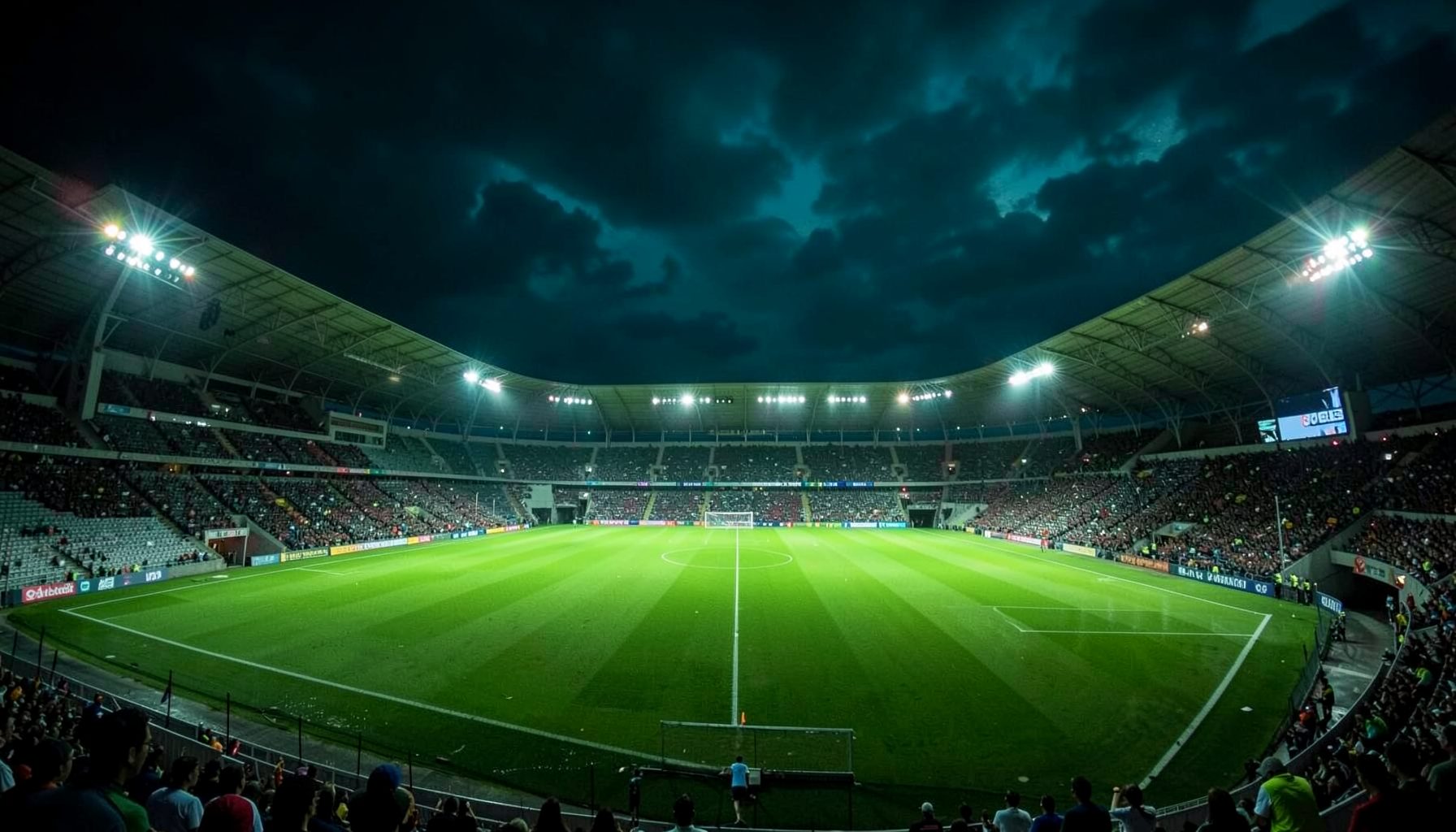
Explore the Full Fixture List
Check schedules, standings, and odds for the leagues you follow, all in one place.
View Schedule