Welcome
Football Coverage, Around the Clock
Mì Tôm TV — Mitom TV — is a Vietnamese online football platform built for fans who want full HD streams alongside the numbers that matter: schedules, standings, odds, results, and livescore for leagues across the globe. Alongside the live game, the site runs video highlights, football knowledge guides, and news updates around the clock, operating from Ho Chi Minh City.
Browse match times for the Premier League, Champions League, Serie A, La Liga, Bundesliga, Ligue 1, V League, and dozens of other competitions, then check back for results and commentary once the whistle blows.
What You'll Find on Mitom TV
Live Streaming
Schedules
Standings
Odds & Results
Knowledge & News
Why Playing on Artificial Turf Affects Player Performance and Injury Risk
Artificial turf has become a familiar part of football in Australia. From suburban training grounds in Sydney and Melbourne to covered facilities in Brisbane and Perth, synthetic pitches allow clubs to keep playing when rain, heavy use, or water restrictions make natural grass difficult to manage. For players, though, the surface changes how the ball moves, how quickly the body responds, and how much stress reaches the legs.
The effect is not automatically positive or negative. Modern 3G and 4G pitches can provide a consistent playing platform, while older or poorly maintained surfaces may increase discomfort and fatigue. Understanding the relationship between turf, footwear, workload, and weather helps players, coaches, and supporters make better sense of performances and injury reports.
How Synthetic Surfaces Change Movement
Artificial grass tends to offer a more even surface than natural turf. There are fewer divots, muddy patches, and soft areas that can slow a player during a sprint. This consistency may help a team play faster, particularly when the pitch is used regularly by community clubs or football academies.
The surface can also create greater resistance between boots and the ground. A firm stud grip helps with acceleration, yet excessive traction can make it harder for the foot to release during a sharp turn. That extra twisting force may travel through the ankle, knee, or hip. The risk depends on the turf system, the boot sole, body position, and the speed of the movement.
Ball Speed And Technical Performance
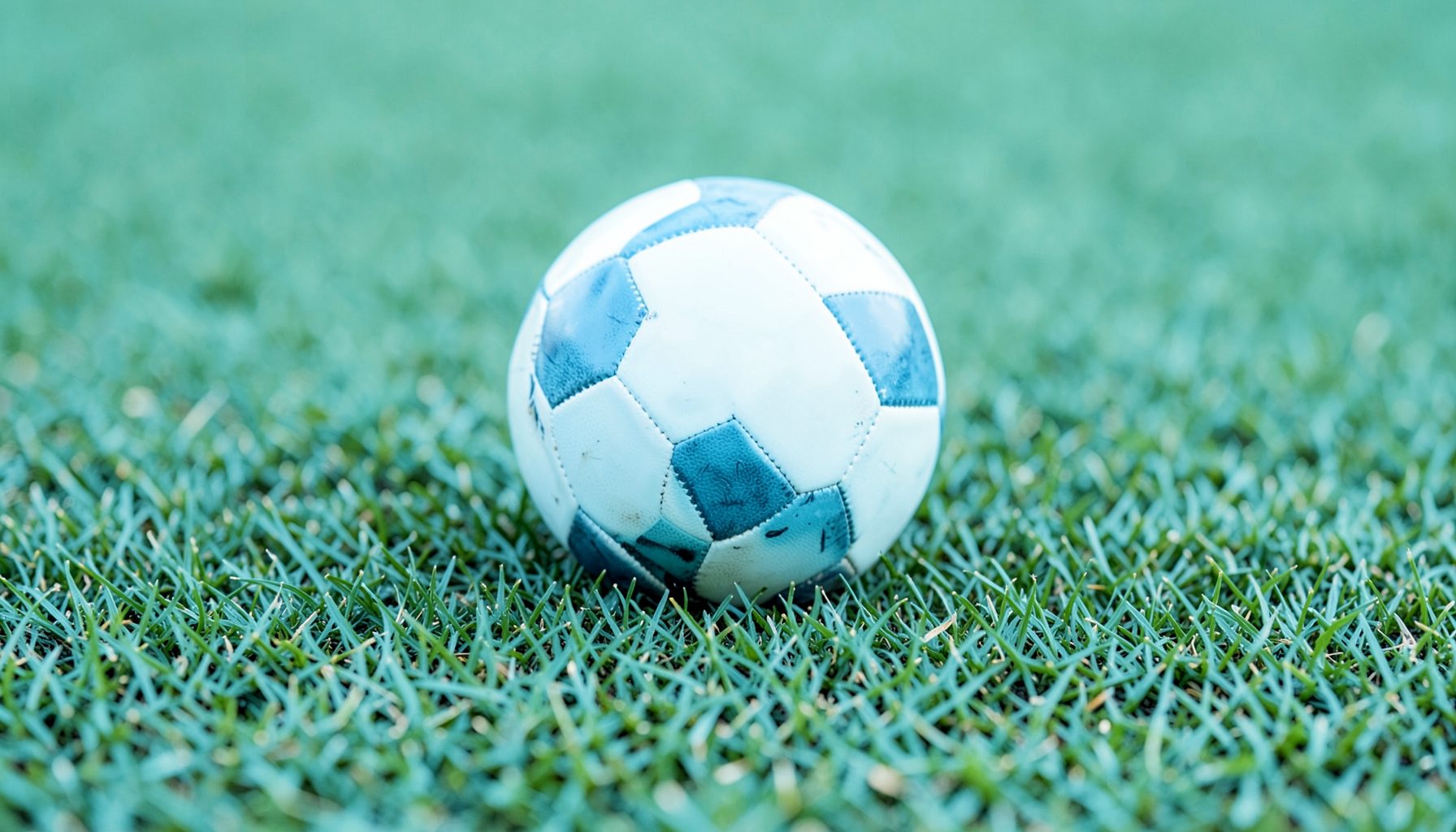
The ball often travels more quickly across artificial turf, especially when the surface is dry and closely maintained. Short passes can zip along the ground, while a misplaced touch may carry the ball further than expected. Teams accustomed to slower natural grass may need to adjust their passing weight and first-touch technique.
A synthetic pitch can also produce a more predictable bounce. That benefits possession-based football because players can anticipate the ball’s path. However, heat, infill levels, and worn fibres still influence performance. In a fast evening match at a Melbourne facility, the ball may behave very differently from a wet winter fixture on grass in regional Victoria.
Injury Risk And Physical Load
Research does not show that every artificial pitch automatically causes more injuries. The picture is more complicated. Some studies have identified increased concerns around skin abrasions, muscle soreness, and certain non-contact problems, while others have found similar overall injury rates compared with natural turf. The age and quality of the surface are important factors.
Players may experience heavier physical loads because the pitch supports repeated high-speed actions. Firm contact with the ground can increase impact sensations in the feet and lower legs, particularly during long sessions. Tight calves, irritated knees, and hip or lower-back soreness may appear when a player moves from grass to synthetic turf without enough adaptation time.
Footwear, Heat, And Surface Maintenance
Boot selection matters. Many artificial pitches suit short, moulded studs or boots designed specifically for synthetic ground. Long metal studs may grip too aggressively and can increase rotational stress, while unsuitable footwear may reduce stability. Clubs should follow the facility’s rules and replace worn boots before traction becomes unpredictable.
Heat is another local concern. Synthetic fields can become significantly hotter than nearby grass, especially during an Australian summer. A January afternoon in Western Sydney or Brisbane can make the surface uncomfortable and raise dehydration concerns. Regular watering, shaded recovery areas, breaks, and access to fluids are practical parts of safe pitch management.
Adapting Training For Australian Conditions
A gradual transition is usually safer than moving straight from natural grass to several hours of synthetic training. Coaches can begin with shorter sessions, monitor calf and hamstring tightness, and reduce repeated sprint work during the first few exposures. Warm-ups should include progressive running, mobility, and changes of direction rather than static stretching alone.
Local scheduling also matters. In Queensland, heavy rain can make grass grounds unavailable, pushing teams towards all-weather facilities during the wet season. In New South Wales and Victoria, winter competitions may involve frequent changes between soft grass and firmer synthetic pitches. Keeping track of surface type, minutes played, and post-match soreness gives staff useful information before a small problem becomes an absence.
What Players And Clubs Should Monitor
Players should pay attention to warning signs such as persistent joint pain, unusual calf tightness, blisters, or soreness that lasts longer than normal. These symptoms can reflect a footwear issue, an abrupt workload increase, or a surface that does not suit the player’s movement pattern. Reporting discomfort early is more useful than simply pushing through it.
Clubs should inspect seam joins, worn areas, infill depth, drainage, and surface hardness. Good maintenance can improve both playing quality and safety. Match officials and venue operators also have a role when extreme heat, loose material, or damaged sections make conditions unsuitable. The goal is a reliable pitch that supports football without hiding avoidable risks.
For Australian football fans, the surface is another detail worth watching when comparing performances across competitions. Follow Mitom TV for live scores, fixtures, match commentary, highlights, standings, and international football coverage, and keep track of how teams adapt wherever the game is played.
Explore the Full Fixture List
Check schedules, standings, and odds for the leagues you follow, all in one place.
View Schedule