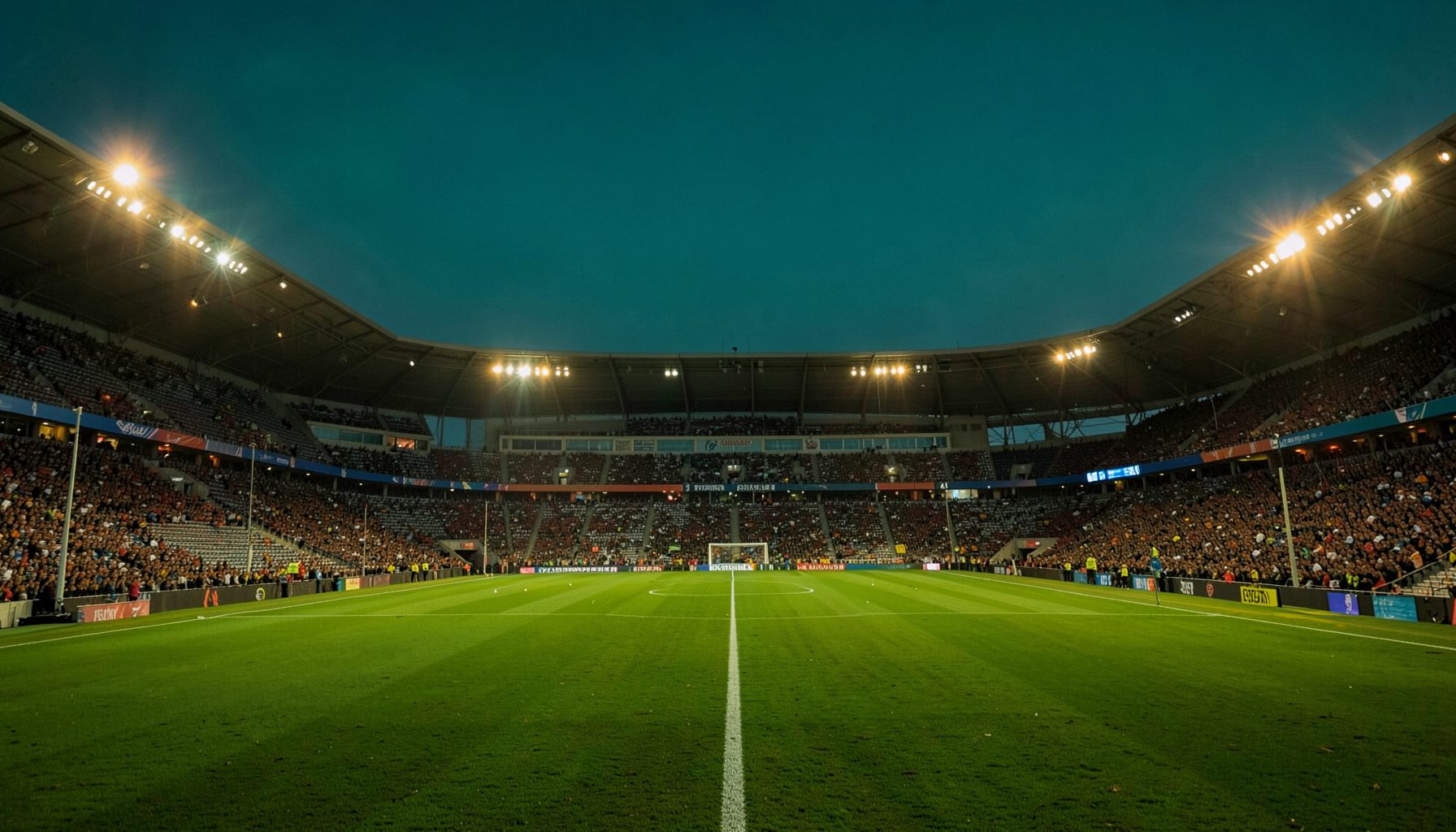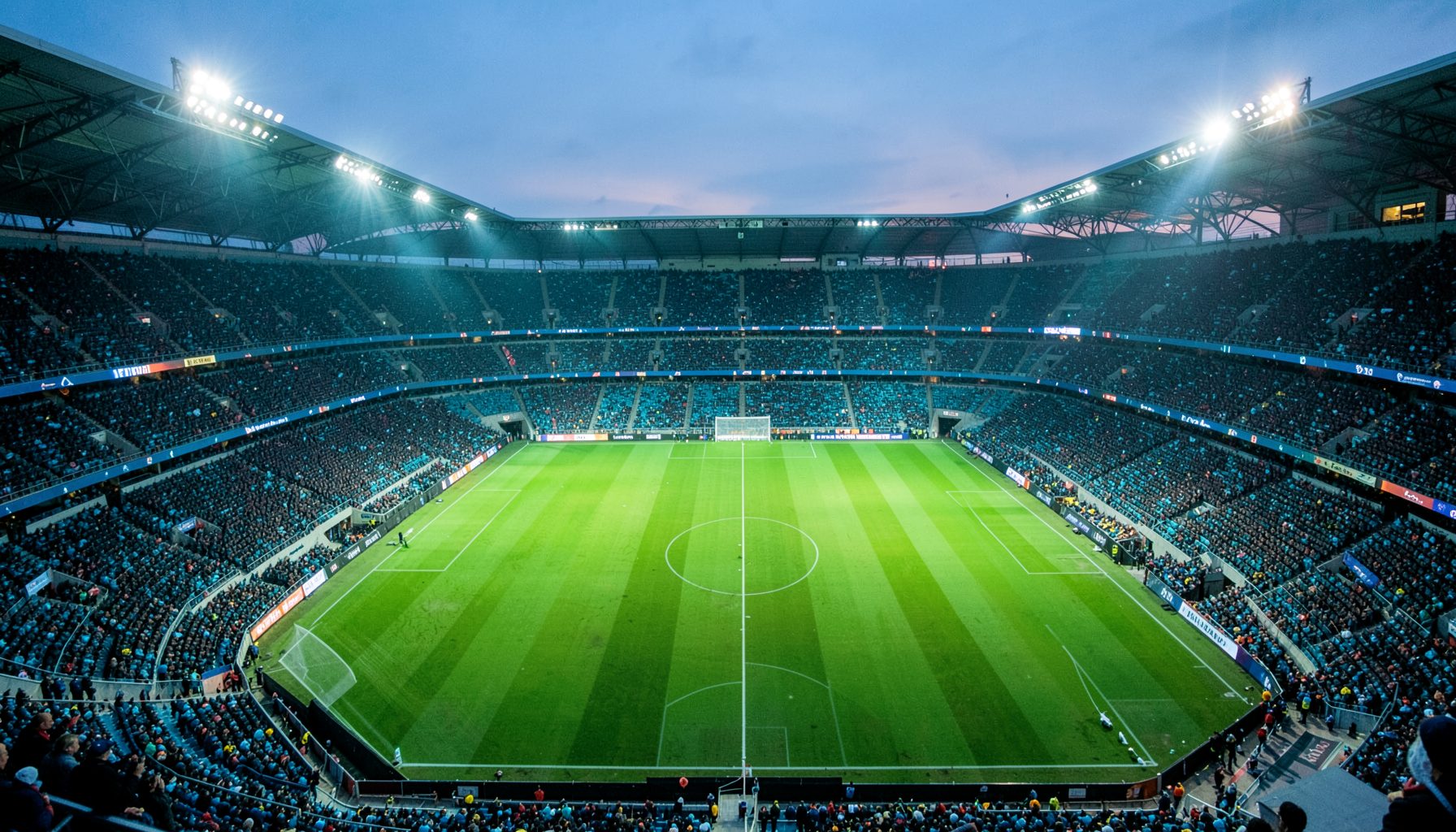
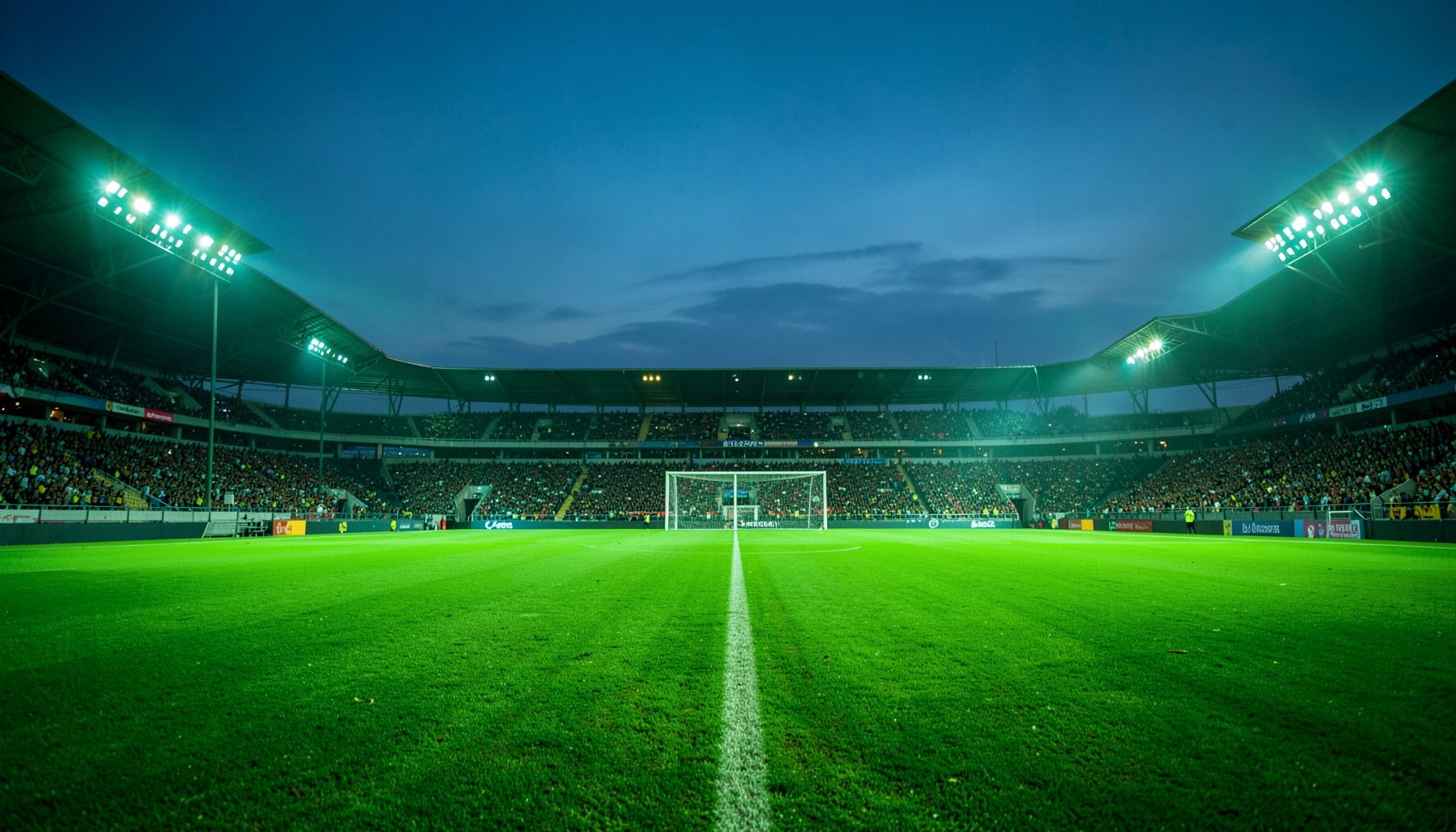
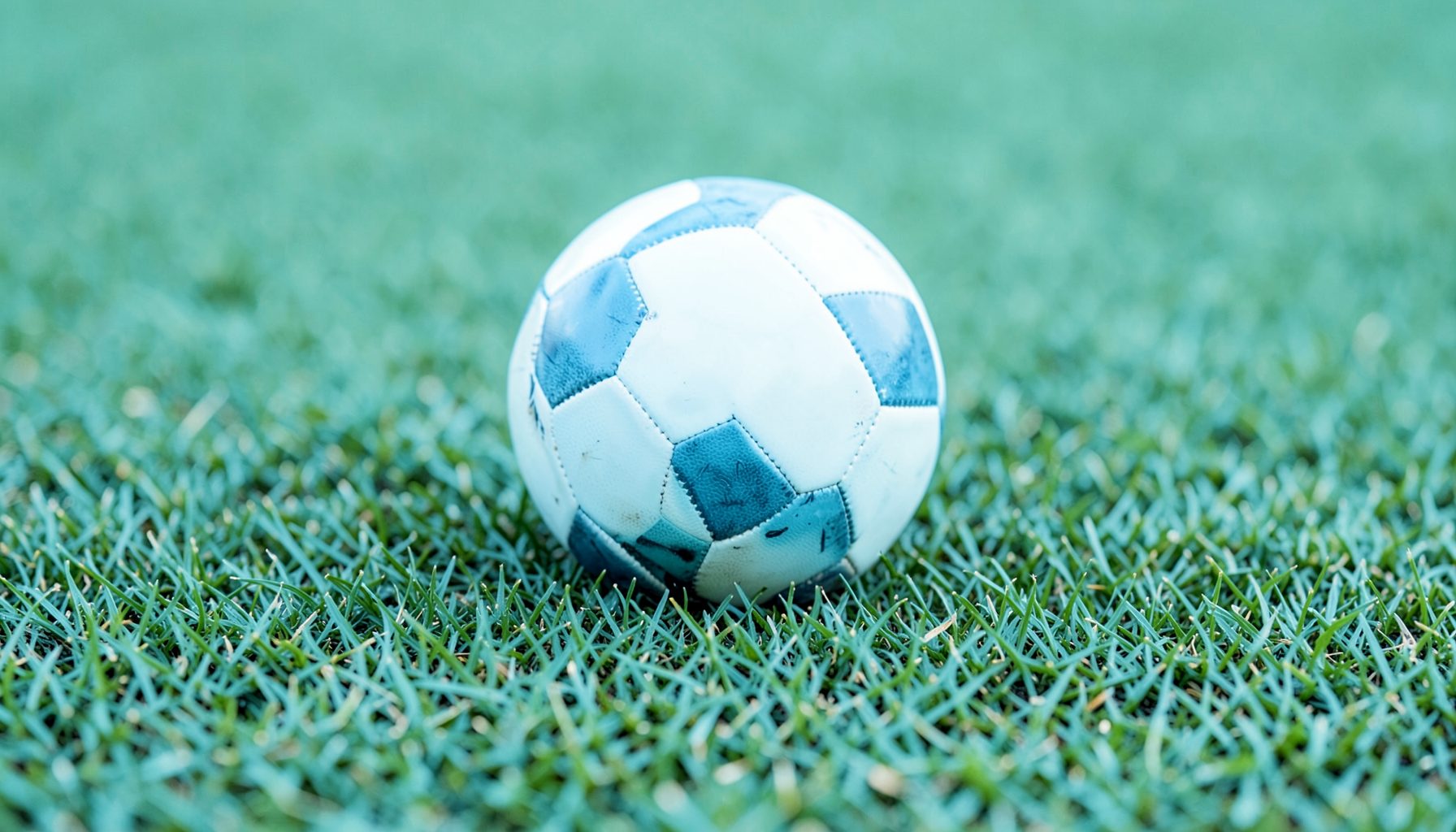
Welcome
Football Coverage, Around the Clock
Mì Tôm TV — Mitom TV — is a Vietnamese online football platform built for fans who want full HD streams alongside the numbers that matter: schedules, standings, odds, results, and livescore for leagues across the globe. Alongside the live game, the site runs video highlights, football knowledge guides, and news updates around the clock, operating from Ho Chi Minh City.
Browse match times for the Premier League, Champions League, Serie A, La Liga, Bundesliga, Ligue 1, V League, and dozens of other competitions, then check back for results and commentary once the whistle blows.
What You'll Find on Mitom TV
Live Streaming
Schedules
Standings
Odds & Results
Knowledge & News
Why Artificial Turf Still Sparks Heated Debate Among Players
Artificial turf has transformed football in places where natural grass struggles with heavy rain, intense heat, or year-round use. Modern synthetic pitches are faster, more durable, and easier to maintain than older generations, making them common at training grounds, community facilities, and professional venues.
Yet players still disagree about the experience. Some value a consistent surface and predictable bounce, while others feel that synthetic grass changes movement, increases impact, and removes part of football’s traditional character. The argument is less about whether artificial turf works and more about whether it offers the right conditions for every style of play.
For fans following matches through Mitom TV, the debate is especially visible when teams travel between natural and synthetic pitches. A side that looks comfortable at home can appear less fluid away, particularly when passing speed, footing, and ball behavior change within a single competition.
Why Players Remain Divided
Supporters of artificial turf often point to reliability. A well-installed 3G or 4G pitch remains playable after heavy rain, supports frequent fixtures, and avoids the muddy patches that can disrupt passing. Coaches also appreciate consistent dimensions and dependable training access.
Critics focus on feel. Natural grass generally gives beneath a player’s studs, whereas synthetic fibers over an infill layer can create a firmer, more uniform platform. That difference affects acceleration, turning, tackling, and the confidence required to challenge for a loose ball.
Performance And Ball Response
The ball can travel faster across artificial turf, especially when the surface is dry. Short passes may zip along the ground, while a poor first touch can become more difficult to control. The predictable bounce helps technical players in some situations, but it can also make the match feel unusually quick.
Footwear matters as well. Stud patterns designed for natural grass may provide too little or too much grip on synthetic surfaces. Players who cannot find the right traction may hesitate during sharp changes of direction, which can influence pressing, dribbling, and defensive recovery runs.
Physical Load And Injury Concerns
The most serious criticism involves the body. A firm surface may increase the sensation of impact during sprints, landings, and tackles. Friction from sliding can also produce more severe abrasions, while heat held by the surface may contribute to fatigue during summer matches.
Research on injury rates does not offer one simple answer. Risk depends on the turf generation, maintenance, footwear, weather, playing frequency, and individual biomechanics. Some studies find similar overall injury patterns to natural grass, while others identify differences in specific complaints such as skin burns or muscle soreness.
| Factor | Artificial Turf | Natural Grass |
|---|---|---|
| Weather resistance | Usually remains stable in rain | Can become soft, muddy, or uneven |
| Ball speed | Often quicker and more consistent | Varies with moisture and grass length |
| Maintenance | Requires brushing, infill care, and surface checks | Needs mowing, watering, drainage, and recovery |
| Heat response | Can become very hot under direct sun | Usually stays cooler at ground level |
| Sliding comfort | Greater friction and abrasion risk | Often more forgiving when well maintained |
| Match frequency | Handles heavy use effectively | Needs rest periods to protect quality |
Weather, Maintenance, And Cost
Climate is a major reason clubs choose synthetic pitches. In northern regions, freezing temperatures and constant rain can make natural grass unreliable. In densely populated cities, an artificial field may host several games each week without developing dangerous bare spots.
However, synthetic turf is not maintenance-free. Infill can compact, fibers can flatten, and drainage systems can lose efficiency. Regular brushing, cleaning, and testing are necessary to preserve grip and ball roll. Poorly maintained turf may create more complaints than a carefully managed natural pitch.
Tradition And The Matchday Experience
Many players associate natural grass with elite football because the sport’s most famous stadiums use it. Grass carries a particular smell, softness, and visual identity that supporters connect with major tournaments and historic matches. For some professionals, playing on it feels like part of the occasion.
The debate also affects competitive balance. Teams accustomed to synthetic pitches may develop passing patterns and pressing habits that visiting opponents find difficult to reproduce. When fixtures cross regions and climates, surface familiarity becomes another factor alongside travel, tactics, and squad depth.
For supporters who follow fixtures, standings, and odds, surface changes can add useful context. It should never replace careful analysis, but understanding venue conditions can improve how match statistics are interpreted. Readers reviewing responsible odds guidance should treat pitch information as one detail among many rather than a guaranteed prediction.
Practical Ways To Adapt
Players and coaches can reduce uncertainty by preparing specifically for the pitch instead of treating all surfaces alike. Useful habits include:
- Test several stud configurations during training before matchday.
- Use controlled passing drills to adjust to faster ball speed.
- Warm up thoroughly for repeated accelerations and sharp turns.
- Apply suitable protection for sliding and check exposed skin afterward.
- Monitor hydration closely when the surface temperature is high.
Clear communication also matters. Clubs should publish pitch specifications, maintain surfaces according to current standards, and provide visiting teams with training access whenever possible. Better preparation will not end the argument, but it can reduce avoidable discomfort and competitive surprises.
Artificial turf is likely to remain part of football’s global landscape, from youth facilities to professional competitions in Europe, Vietnam, Asia, and the Americas. The strongest position may be a practical one: synthetic pitches are valuable when climate, cost, and usage demand them, yet they should be judged by quality, safety, and player feedback rather than convenience alone.
Follow live fixtures, match commentary, results, and football news on Mitom TV to see how teams respond when conditions change. Surface debates become most meaningful when viewed alongside the football itself: the passing patterns, physical intensity, and decisions that define every match.
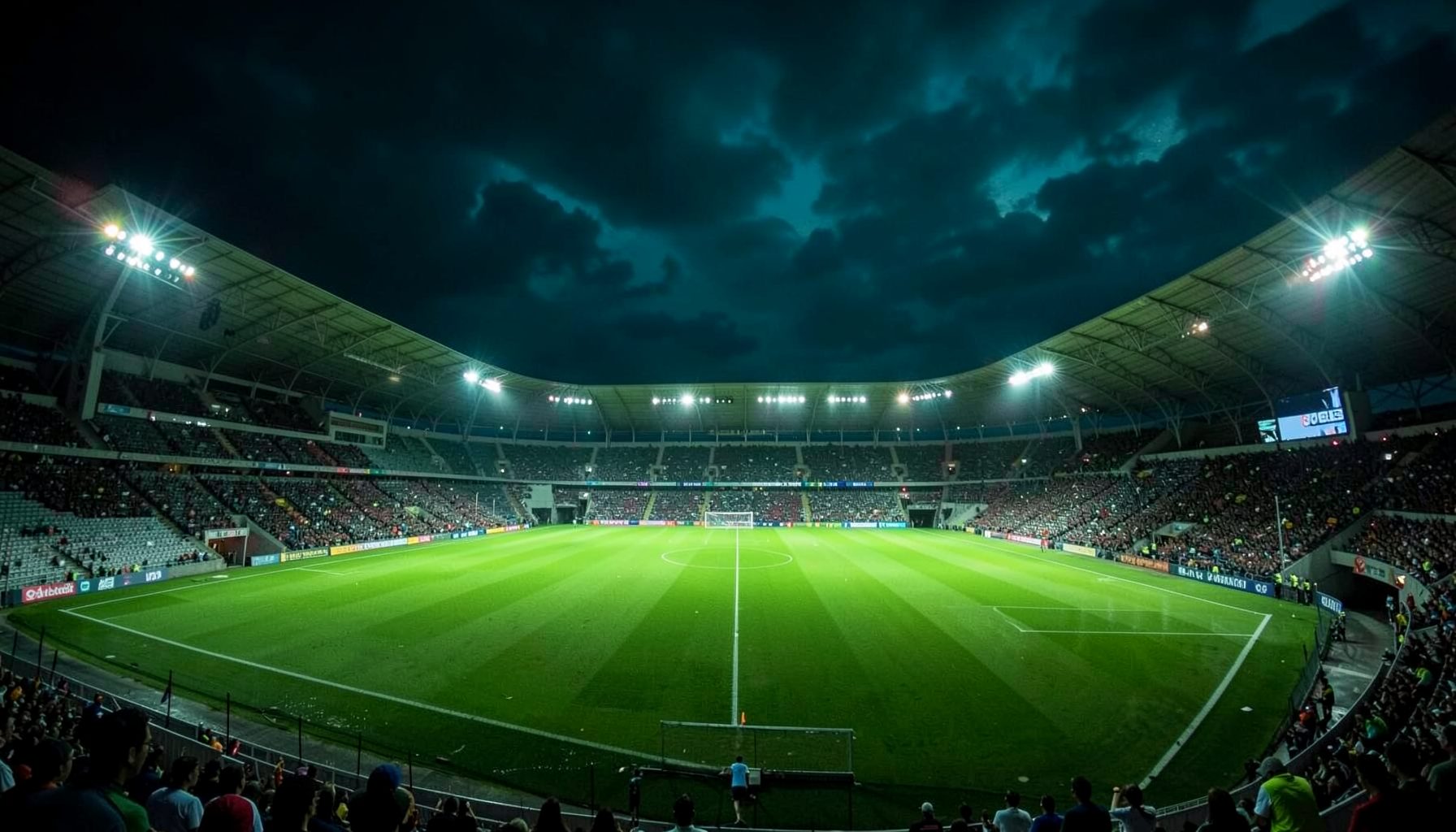
Explore the Full Fixture List
Check schedules, standings, and odds for the leagues you follow, all in one place.
View Schedule