


Welcome
Football Coverage, Around the Clock
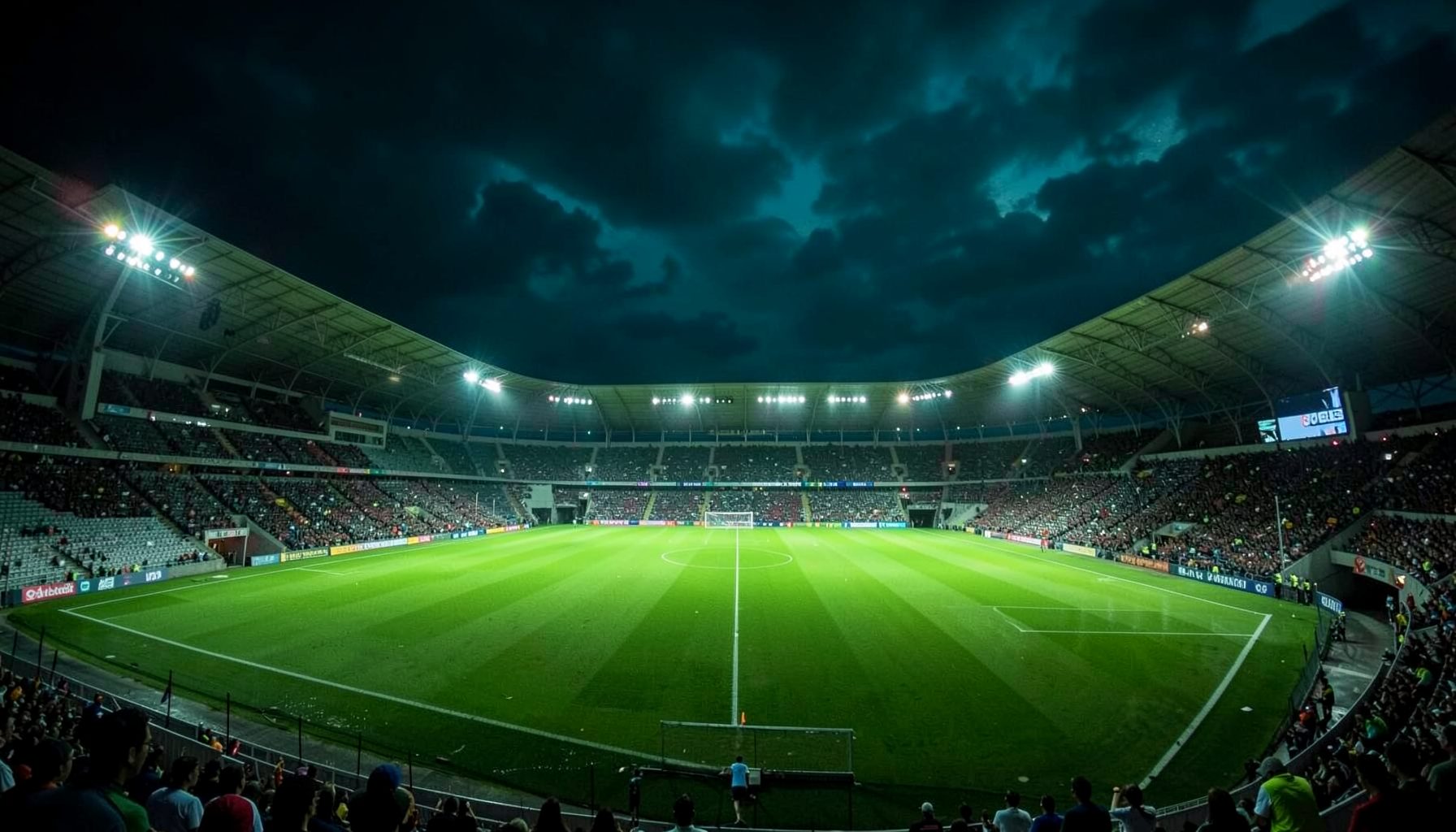
Mì Tôm TV — Mitom TV — is a Vietnamese online football platform built for fans who want full HD streams alongside the numbers that matter: schedules, standings, odds, results, and livescore for leagues across the globe. Alongside the live game, the site runs video highlights, football knowledge guides, and news updates around the clock, operating from Ho Chi Minh City.
Browse match times for the Premier League, Champions League, Serie A, La Liga, Bundesliga, Ligue 1, V League, and dozens of other competitions, then check back for results and commentary once the whistle blows.
What You'll Find on Mitom TV
Live Streaming
Schedules
Standings
Odds & Results
Knowledge & News
Red card decisions: when a reckless tackle becomes a dismissal
A tackle can look dangerous without meeting the threshold for a red card. Football’s disciplinary laws distinguish between a mistimed challenge, a reckless act and a tackle that uses excessive force. That difference often determines whether the referee shows a yellow card, allows play to continue or orders an immediate dismissal.
The key issue is not simply whether a player made contact. Officials assess the speed of the challenge, the point of contact, the direction of the studs, the level of control and the potential danger to the opponent. A dramatic fall alone does not automatically turn a foul into serious foul play.
For supporters following live matches, understanding these details makes referee decisions easier to evaluate. Match coverage, commentary, highlights and post-match analysis on Mitom TV can provide useful context when a controversial tackle becomes a major talking point.
What the laws mean by reckless
Under Law 12, a careless challenge results in a foul but normally carries no disciplinary sanction. The player misjudges the action without showing a clear disregard for danger. A reckless challenge goes further: the player acts with insufficient concern for the opponent’s safety and must receive a caution.
A reckless tackle is therefore usually a yellow-card offence, even when it causes a painful collision. The challenge may be late, poorly controlled or made with excessive commitment, but it does not necessarily involve enough force to endanger the opponent seriously.
The distinction depends on the whole action rather than the outcome. A player who catches an opponent’s ankle after arriving late may be reckless, while another player who makes a controlled tackle that accidentally causes an injury may have committed only a foul.
When a tackle becomes serious foul play
A direct red card is mandatory when a player commits serious foul play. This occurs when a challenge for the ball uses excessive force or brutality and endangers the safety of the opponent. The referee does not need to wait for a serious injury; the nature of the tackle is what matters.
Indicators of excessive force can include a high-speed lunge, little chance of withdrawing the leg, a straight or locked leg, studs directed toward the opponent and contact above the ankle. A challenge that strikes the shin, knee or lower leg with significant force is especially likely to attract a dismissal.
The referee must judge the intensity and danger in real time. Contact with the foot or ankle is not automatically a red card, and a tackle that looks severe in slow motion may have been less dangerous at normal speed. Still, slow-motion replay can reveal whether the player’s action was genuinely uncontrolled.
Factors officials examine
The point of contact is important, but it is only one part of the decision. Referees also consider whether the player approached from the side or behind, how far the ball was from the challenge and whether the tackler had a realistic opportunity to play it safely.
A two-footed tackle is not automatically a sending-off offence. However, leaving the ground with both feet, lunging at high speed or trapping an opponent’s leg can strongly suggest excessive force. A studs-up challenge may also be serious foul play when the studs make forceful contact, although the visual position of the boot by itself is not decisive.
The opponent’s reaction and any resulting injury may help explain the incident, but they do not set the punishment. A player can receive a red card without causing an injury, while an unfortunate injury can follow an offence that merits only a yellow card.
Reckless, excessive and accidental challenges
| Type of challenge | Typical disciplinary outcome | Main reason |
|---|---|---|
| Careless tackle | Foul, usually no card | Poor timing without clear danger |
| Reckless tackle | Yellow card | Disregard for the opponent’s safety |
| Serious foul play | Red card | Excessive force or brutality in a challenge for the ball |
| Violent conduct away from the ball | Red card | Brutal or forceful action outside a normal challenge |
| Tackle denying a clear goal-scoring opportunity | Red or yellow, depending on circumstances | DOGSO rules and whether a genuine attempt to play the ball was made |
The most difficult cases sit between reckless and excessive. A tackle can be forceful yet legal if the player wins the ball cleanly and does not endanger the opponent. Conversely, a player may touch the ball first and still be dismissed if the follow-through uses excessive force.
A denial of an obvious goal-scoring opportunity, known as DOGSO, can create another red-card route. If a player commits a foul that stops a clear chance outside the penalty area, a dismissal is generally required. Inside the penalty area, a genuine attempt to play the ball may reduce the punishment to a yellow card, although holding, pushing or deliberately handling the ball remains subject to stricter treatment.
How VAR reviews red-card incidents
Video Assistant Referee intervention is permitted for a possible direct red card, including serious foul play. VAR checks whether the on-field decision involved a clear and obvious error. The review may recommend an on-field review, but the final decision remains with the referee.
VAR does not normally review a possible second yellow card. It also does not turn every hard tackle into a lengthy review. The protocol focuses on significant incidents, and the available camera angles must show enough evidence to challenge the original judgement.
This explains why two similar-looking tackles can produce different outcomes. One incident may have a decisive angle showing studs into the opponent’s leg, while another may reveal limited force and a controlled challenge. Broadcast replays can be persuasive, but the referee and VAR team use a specific legal threshold.
Practical ways to read a referee’s decision
- Check the point of contact before judging the tackle by the player’s reaction.
- Watch the speed, control and direction of the tackler’s movement.
- Separate the severity of an injury from the seriousness of the offence.
- Look for whether the challenge involved excessive force, DOGSO or a second caution.
- Use multiple replay angles and official commentary rather than relying on one slow-motion clip.
A red card decision can change the rhythm, tactics and result of a match within seconds. Follow live scores, fixtures, match commentary, standings and post-match highlights on Mitom TV to track how disciplinary decisions affect teams across European leagues and international competitions. When the next controversial tackle occurs, judge the action against the laws rather than the noise surrounding it.
Explore the Full Fixture List
Check schedules, standings, and odds for the leagues you follow, all in one place.
View Schedule