
Welcome
Football Coverage, Around the Clock
Mì Tôm TV — Mitom TV — is a Vietnamese online football platform built for fans who want full HD streams alongside the numbers that matter: schedules, standings, odds, results, and livescore for leagues across the globe. Alongside the live game, the site runs video highlights, football knowledge guides, and news updates around the clock, operating from Ho Chi Minh City.
Browse match times for the Premier League, Champions League, Serie A, La Liga, Bundesliga, Ligue 1, V League, and dozens of other competitions, then check back for results and commentary once the whistle blows.
What You'll Find on Mitom TV
Live Streaming
Schedules
Standings
Odds & Results
Knowledge & News
How Stadium Architecture Shapes Home Advantage in Football
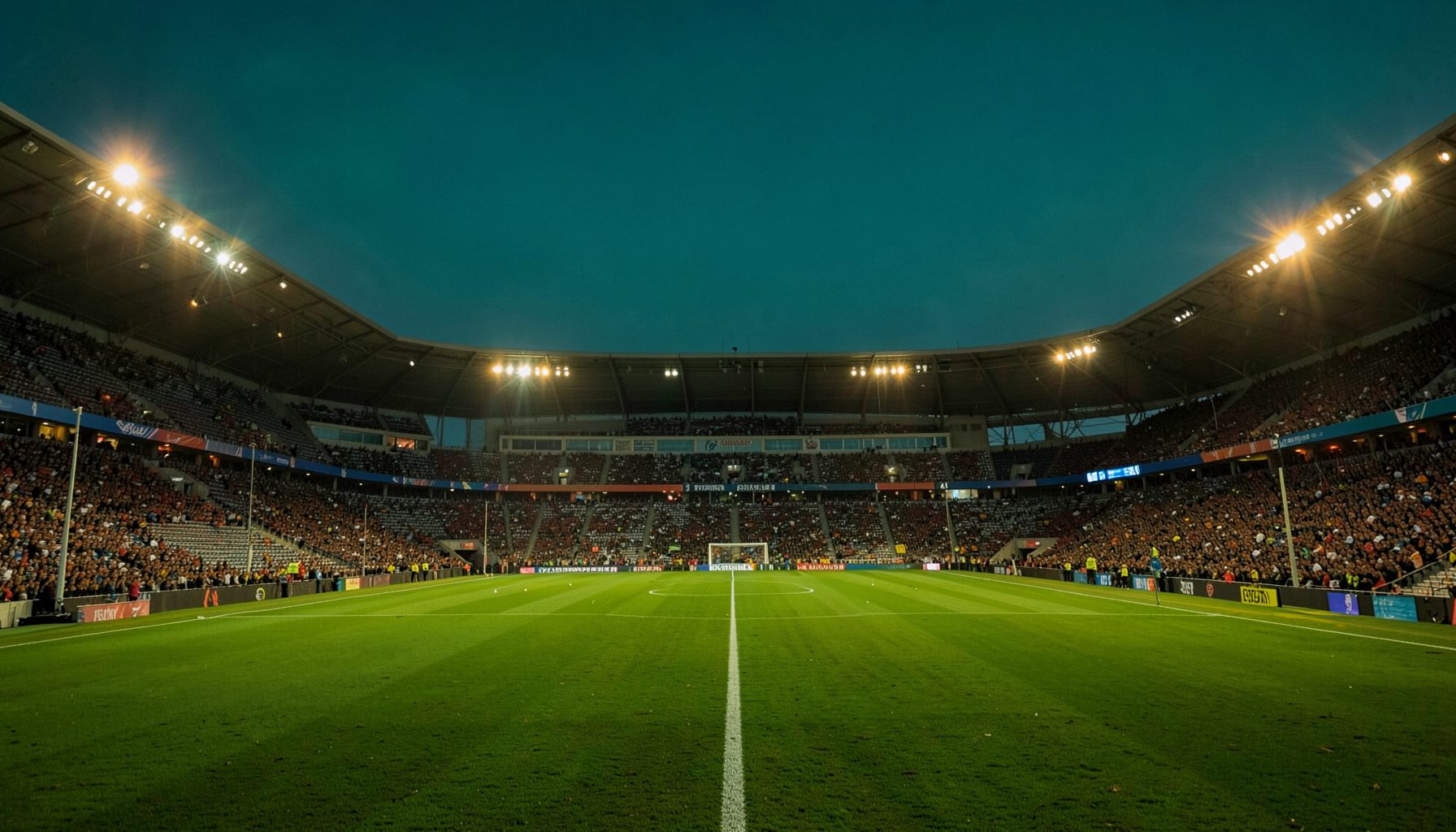
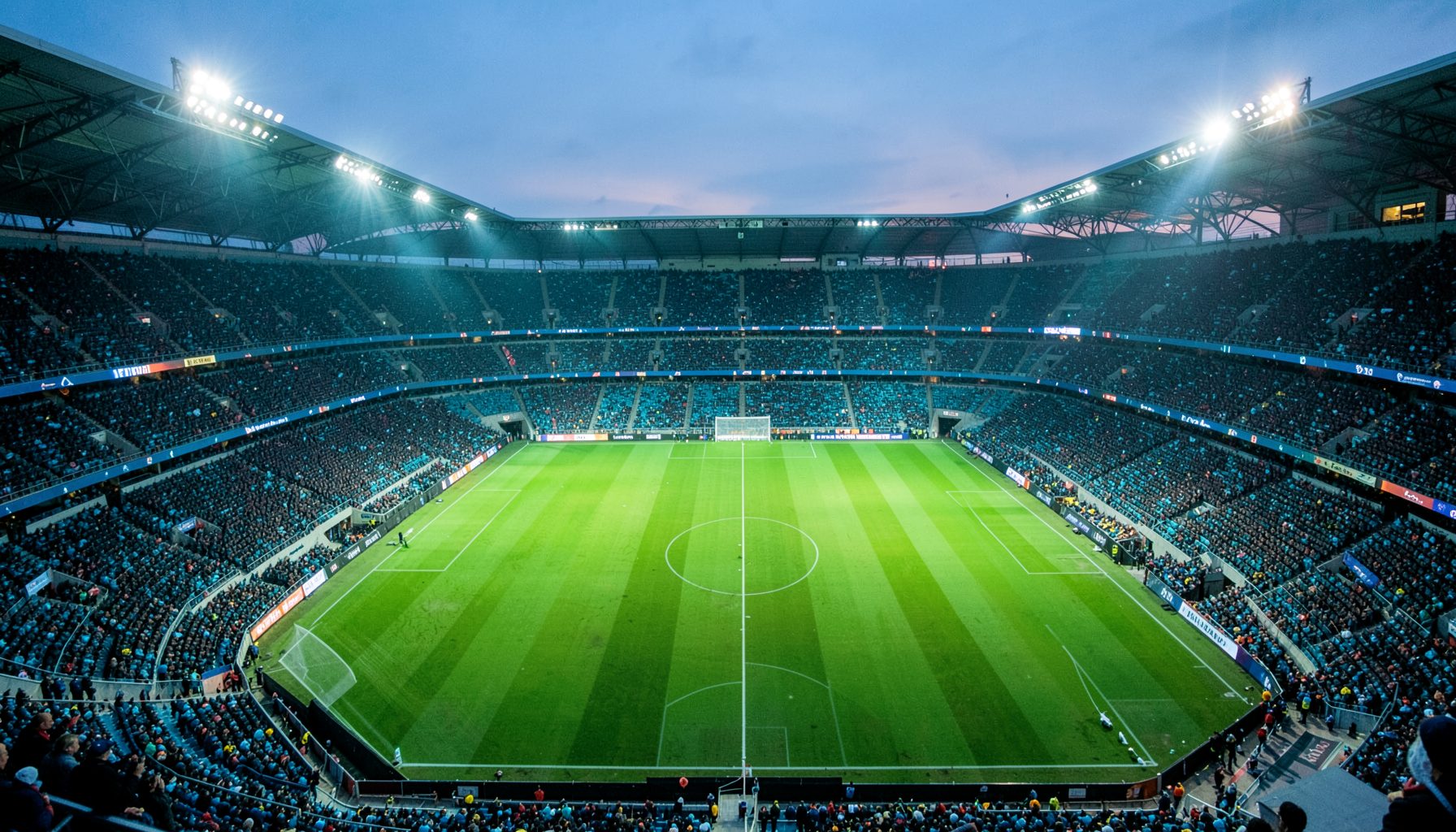
A football ground is more than a setting for ninety minutes. Its dimensions, sightlines, acoustics and entrances shape how players behave, how officials respond to pressure and how supporters turn attendance into a competitive advantage. The design of a stadium can quietly influence tempo, confidence and concentration long before the first tackle.
This is especially relevant in Australia, where clubs play across dramatically different environments. A compact ground in Melbourne creates a different atmosphere from a large venue in Sydney, while heat, travel distances and open-air layouts affect teams in Brisbane, Perth and Adelaide. Understanding these details adds depth to live match coverage, results analysis and pre-match form guides.
Compact stands create concentrated pressure
Stands positioned close to the pitch can make a ground feel intense even when its capacity is modest. Supporters are easier for players to hear, and their reactions reach the referee and visiting team without being diluted across a wide bowl. This proximity can increase urgency during pressing, set pieces and late defensive spells.
For visiting players, the effect is often psychological rather than purely acoustic. A mistake near the touchline may trigger an immediate wave of criticism, while a home tackle can produce a surge of collective energy. In Australian football, smaller urban venues can benefit from this intimacy, particularly when evening kick-offs encourage regular supporters to arrive straight from work or public transport.
Shape and sightlines affect tactical decisions
Pitch proportions influence how teams build attacks and defend space. A narrower field reduces room for wide combinations and can make high pressing more effective, while a broader surface gives wingers and overlapping full-backs additional channels. Stadium architecture cannot change the official laws of the game, but it can give familiar tactics a different physical context.
Sightlines also matter. Clear views from every seat support louder, more coordinated reactions because spectators can follow developing moves. When the crowd understands a dangerous transition, its noise often rises before the final pass. Coaches who know their home surface may adjust the width of their defensive block or target specific zones that visiting opponents find uncomfortable.
Roofs and acoustics amplify the crowd
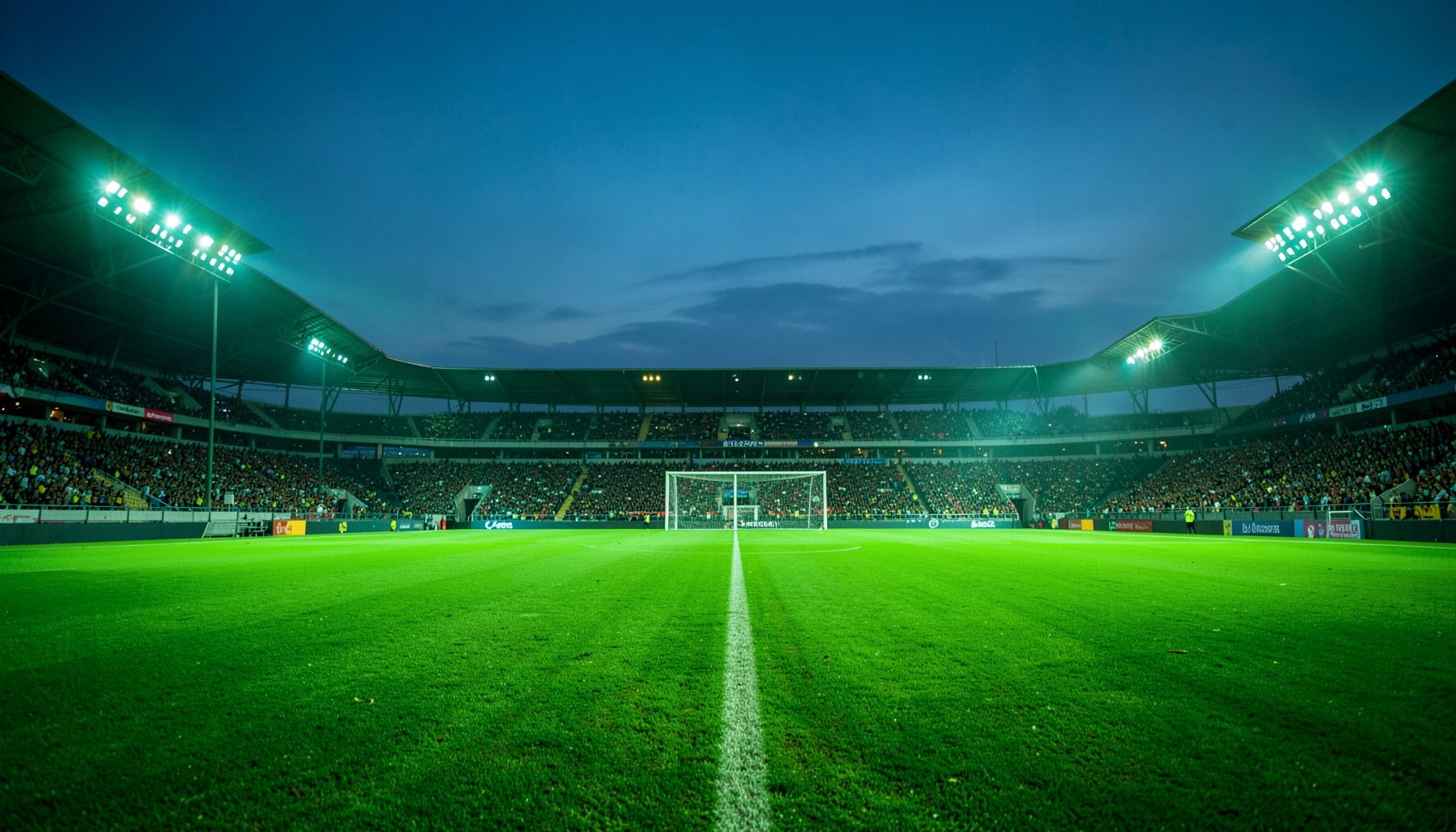
Covered stands reflect sound back towards the pitch, producing a stronger sense of enclosure. A roof does not need to cover the entire stadium to make chants, whistles and appeals more prominent. Hard concrete surfaces, low ceilings and enclosed concourses can further intensify the match-day soundscape.
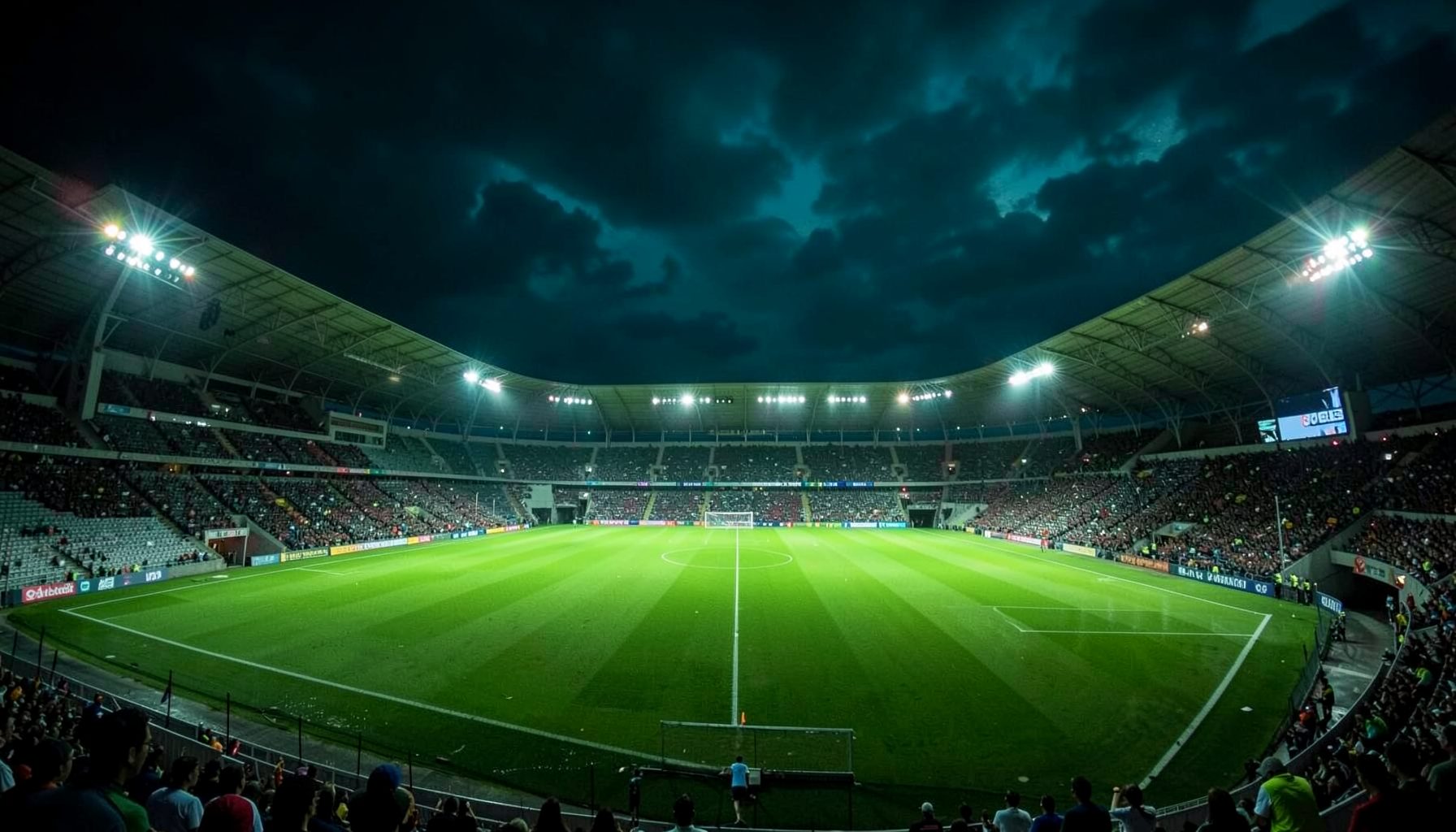
This can be valuable during momentum swings. A home side defending a narrow lead may receive constant encouragement, while an away goalkeeper faces louder disruption during goal kicks and corners. In open Australian venues, roof design also interacts with wind and rain. Melbourne weather can change quickly, so covered seating protects attendance and helps preserve a consistent atmosphere across the season.
Entrances, concourses and supporter identity
The route from a station, car park or nearby pub to the turnstiles influences how supporters gather. Wide approaches disperse crowds, whereas carefully designed plazas and active supporter areas encourage people to meet, sing and arrive together. That pre-match ritual helps establish a home identity before the teams appear.
Sydney and Melbourne illustrate how access can shape this experience. A ground connected to rail or tram networks may attract a steady flow of fans, while a venue dependent on driving can produce different arrival patterns and family routines. Food outlets, seating zones and safe standing areas also determine whether spectators remain engaged during quiet phases rather than leaving their seats.
Travel distance magnifies familiarity
Home teams understand the routes, changing rooms, warm-up areas and tunnel layout without needing to process them on match day. Visiting teams must manage unfamiliar logistics, sometimes after long domestic journeys. Australia’s vast geography makes this factor unusually significant: a trip between Perth and the eastern states involves substantial flight time and recovery planning.
Climate adds another layer. A side accustomed to humid Brisbane conditions may cope better with heat than a travelling opponent from a cooler southern city. Conversely, a team used to dry conditions may struggle in coastal humidity. Stadium orientation, shade and ventilation can therefore support local familiarity and influence late-match energy levels.
Modern design can reduce traditional advantages
New multipurpose venues often prioritise corporate hospitality, flexible seating and broadcast requirements. These features can improve revenue and visibility, yet they may create greater distance between supporters and the pitch. A large gap around the field or a quiet premium section can weaken the concentrated pressure once associated with older grounds.
Commercial planning also interacts with Australian regulations and event management. State and territory rules covering alcohol service, crowd safety, security and licensed venues shape how match-day areas operate. National broadcast arrangements, including restrictions associated with anti-siphoning policy, can influence kick-off times and attendance habits. A stadium built for television may deliver excellent pictures while producing a less intimidating live atmosphere.
Data turns architecture into match insight
Clubs can measure how venue characteristics affect performance through expected goals, pressing intensity, set-piece success and results after conceding first. Analysts may compare home and away numbers while accounting for opponent strength, weather, travel and crowd size. Supporters reviewing football odds can use this context instead of treating venue history as a simple win-loss statistic.
The most useful analysis connects numbers with physical details. A team that creates more chances at home may benefit from a narrow pitch that supports aggressive recoveries, while an elevated home record in late kick-offs could reflect crowd acoustics and visiting fatigue. Stadium design is one variable in a wider system, but it often explains patterns that league tables alone cannot show.
Follow live fixtures, standings, commentary and match coverage through Mitom TV to see how venues, supporters and tactics interact across Australian and international football. Track the details behind each result, from the first arrival at the ground to the final whistle.
Explore the Full Fixture List
Check schedules, standings, and odds for the leagues you follow, all in one place.
View Schedule