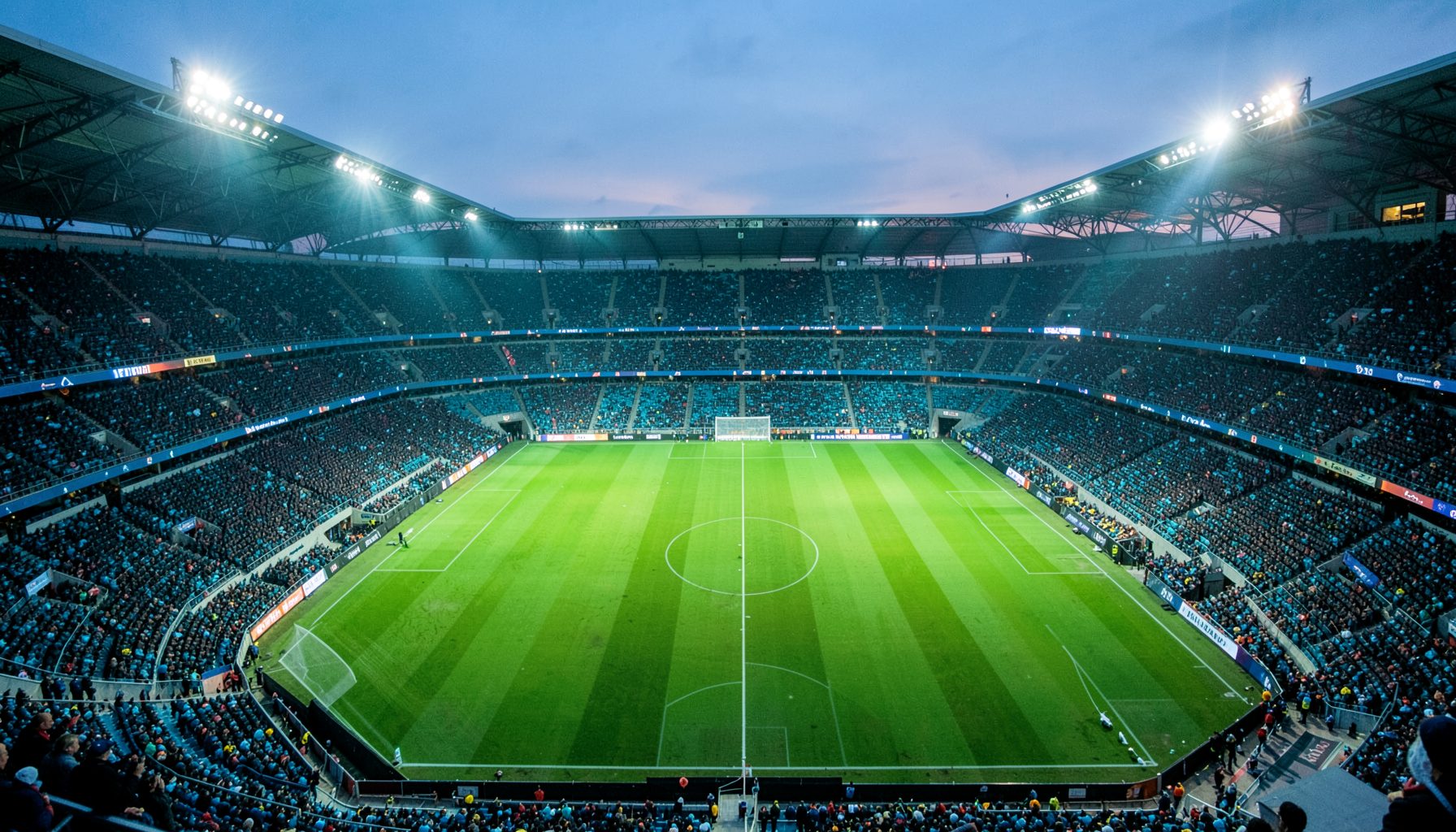


Welcome
Football Coverage, Around the Clock
Mì Tôm TV — Mitom TV — is a Vietnamese online football platform built for fans who want full HD streams alongside the numbers that matter: schedules, standings, odds, results, and livescore for leagues across the globe. Alongside the live game, the site runs video highlights, football knowledge guides, and news updates around the clock, operating from Ho Chi Minh City.
Browse match times for the Premier League, Champions League, Serie A, La Liga, Bundesliga, Ligue 1, V League, and dozens of other competitions, then check back for results and commentary once the whistle blows.
What You'll Find on Mitom TV
Live Streaming
Schedules
Standings
Odds & Results
Knowledge & News
Building Youth Academies Where Football Is Still Growing
A strong youth academy can change the future of football in a developing nation. It gives talented children access to coaching, safe facilities, education and a clear route towards professional competition. For clubs, the academy is more than a training centre: it is a long-term investment in local communities and a way to create players who understand the culture of the game at home.
The most effective programmes are designed around local realities rather than copied from wealthy European clubs. Funding, transport, qualified coaches, school schedules and family expectations all influence how a football pathway works. Lessons from Australia’s A-League, National Premier Leagues and community clubs show how structured development can grow alongside a country’s wider football economy.
Start With The Local Football Community
Clubs usually begin by mapping the football already being played in schools, neighbourhood grounds and amateur competitions. This helps them identify promising players while building trust with families, teachers and community leaders. A new academy is more likely to succeed when it supports existing clubs instead of taking every talented child away from them.
In cities such as Sydney and Melbourne, multicultural community clubs have become important entry points for young players. Similar networks can be found in developing football markets, where migrant communities, local tournaments and school teams often provide the first scouting opportunities. Regular open trials, festival matches and coaching clinics can make recruitment more transparent and inclusive.
Build A Pathway, Not Just A Training Centre
An academy needs age groups, playing opportunities and measurable development goals. Younger players may focus on coordination, ball control and enjoyment, while older teenagers require tactical education, strength training and preparation for senior football. A clear pathway should explain how a player can move from grassroots football to a reserve team, professional contract or further education.
Australian clubs offer a useful reference through the connection between junior programmes, NPL competitions and the A-League Men or A-League Women. In developing nations, the pathway may include regional leagues, school championships and national youth teams. Competitive matches are essential because talented players develop faster when training is connected to meaningful game experience.
Invest In Coaches And Football Education
Facilities attract attention, but coaches shape players. Clubs building academies in developing nations need a system for training local coaches, sharing session plans and improving standards over time. Bringing in an overseas technical director can help initially, though the long-term objective should be local expertise that understands language, customs and playing conditions.
Coach education should cover safeguarding, injury prevention, nutrition and communication as well as tactics. Many young players balance football with school, family duties or part-time work, so staff must recognise pressures beyond the pitch. In Australia, school sport and Saturday morning football often sit alongside club training; a similar balance can help academies retain players through their teenage years.
Make Access Affordable And Practical
Talent is spread widely, while professional facilities are usually concentrated in major cities. Clubs therefore need transport support, regional scouting and partnerships with schools. This is particularly important in large countries such as Australia, where a promising player in the Northern Territory or regional Queensland may live hundreds of kilometres from an elite academy.
Costs can exclude gifted children before they are properly assessed. Scholarships, free equipment libraries, meal programmes and modest travel grants can reduce that risk. A club might also create satellite centres in smaller towns, allowing players to train locally before attending central camps. These measures strengthen the talent pool and demonstrate that the academy serves the public rather than only affluent families.
Connect Player Development With Education
A professional contract is never guaranteed, and responsible academies prepare young people for several possible futures. Partnerships with schools, technical colleges and universities can provide tutoring, flexible timetables and vocational training. Players should learn about financial management, media conduct, digital safety and life after football.
This approach also reassures parents, who may be cautious about sending children into an uncertain sporting career. Australia’s academy environment increasingly values dual pathways, combining football with schooling and higher education. Developing nations can adapt that model through evening classes, online learning and agreements with local employers.
Create A Sustainable Club Business
Youth development becomes fragile when it depends entirely on donations or a single sponsor. Clubs need several income streams, such as membership, matchday revenue, merchandising, commercial partnerships, player development agreements and media exposure. Transparent budgets help supporters understand how money is spent on coaches, pitches, medical care and transport.
The academy should also be connected to the club’s senior identity. Regular first-team training sessions, cup matches and player appearances can motivate young athletes and strengthen the bond with supporters. Broadcasting and digital coverage give emerging competitions a wider audience, whether through local media or international football platforms such as Mitom TV, which helps fans follow fixtures, results and talent from different regions.
Building a youth academy in a developing football nation requires patience, local knowledge and consistent standards. Clubs that combine community access, qualified coaching, education and sustainable finance can create a pathway that benefits players well beyond the first team.
Follow international fixtures, emerging leagues and football news on Mitom TV to see how the next generation is shaping the global game.
Explore the Full Fixture List
Check schedules, standings, and odds for the leagues you follow, all in one place.
View Schedule