
Welcome
Football Coverage, Around the Clock
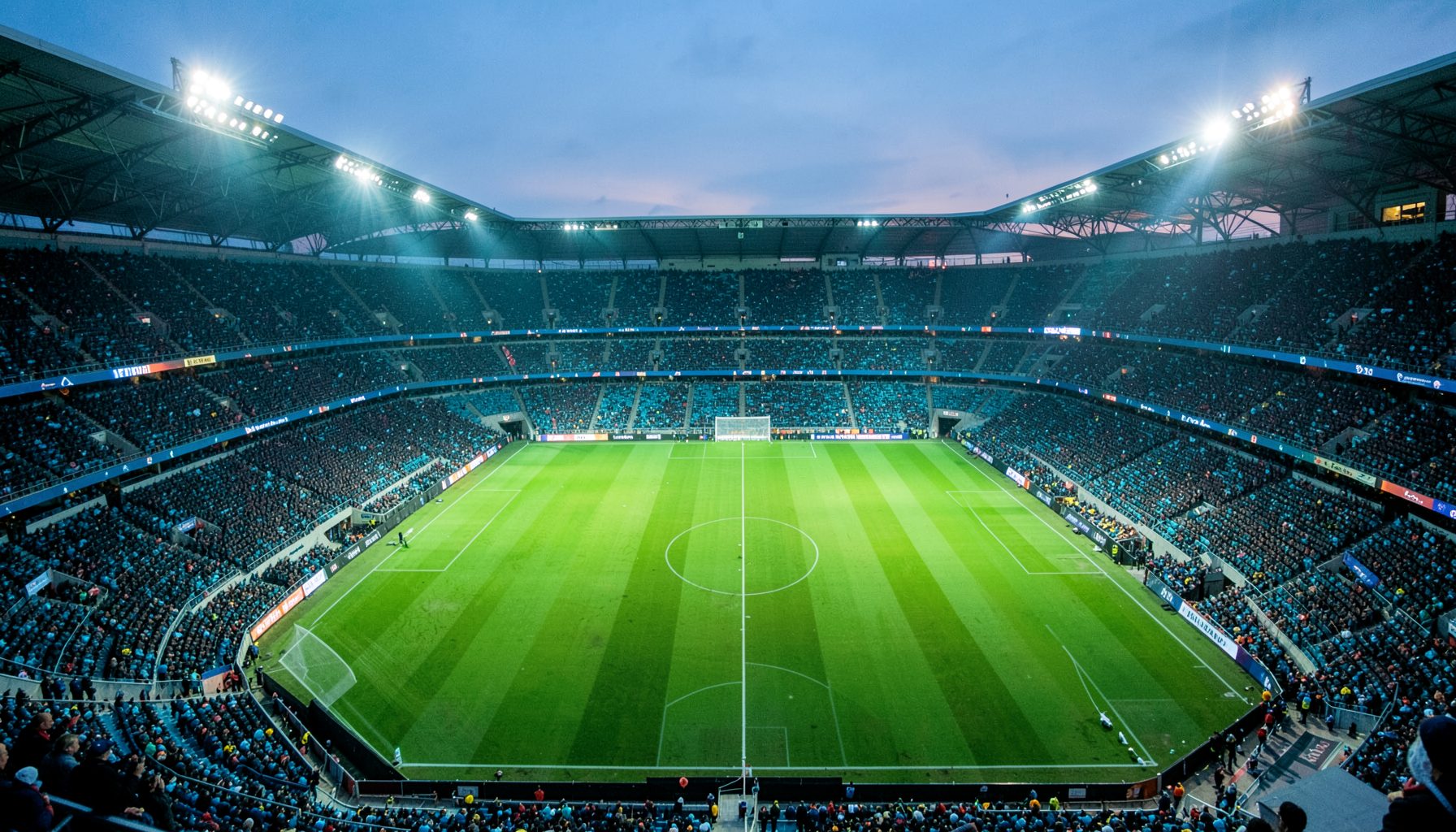
Mì Tôm TV — Mitom TV — is a Vietnamese online football platform built for fans who want full HD streams alongside the numbers that matter: schedules, standings, odds, results, and livescore for leagues across the globe. Alongside the live game, the site runs video highlights, football knowledge guides, and news updates around the clock, operating from Ho Chi Minh City.
Browse match times for the Premier League, Champions League, Serie A, La Liga, Bundesliga, Ligue 1, V League, and dozens of other competitions, then check back for results and commentary once the whistle blows.
What You'll Find on Mitom TV
Live Streaming
Schedules
Standings
Odds & Results
Knowledge & News
How football clubs use drones to analyse training sessions
The training ground has always been the engine room of any football club, but the way coaches and analysts watch sessions has changed dramatically. Where once a clipboard and a stopwatch were enough, modern staff now rely on layered video, biometric sensors and, increasingly, unmanned aerial filming to decode what happens during the week.
Drone-based analysis gives coaching teams a vantage point that simply did not exist for previous generations. From above, the shape of a team, the spacing between players and the patterns of pressing are revealed in ways that sideline cameras can never capture. Clubs across Europe, South America and now the A-League have started investing in this kind of overhead coverage.
The article looks at how clubs deploy drones during training, what they learn from the footage, and the practical realities of running aerial filming in Australia, where heat, regulation and the scale of the domestic league shape how the technology is adopted.
Why clubs turned to the sky
For most of football's modern history, training analysis was built on broadcast angles and a handful of fixed cameras at the facility. Coaches could zoom in on individual technique, but the collective shape of a session was largely a matter of memory and instinct. As the game grew more tactically sophisticated, that memory became less reliable.
Overhead recordings changed that. A single aerial pass could show whether a midfield block was holding its lines, whether wing-backs were tucking in too narrow, or whether a defensive transition was leaving channels exposed. The tipping point came as drone hardware became lighter, cheaper and easier to fly, making regular aerial coverage viable for clubs outside the European elite.
How drones are deployed at training
A typical session begins long before the squad laces up. Analysts pick a flight path that avoids glare, sun position and obstacles such as floodlight towers, then set the drone to follow the action manually or run a programmed grid pattern above the pitch. Most clubs film in 4K to allow digital zoom without losing detail.
Footage is usually collected in short windows. A five-minute block of rondos, a 15-minute small-sided game, or a set-piece rehearsal is enough to capture the patterns the staff want to study. Coaches often pair the drone with two or three ground-level cameras, syncing the angles later in the editing suite.
In Australia, this routine has to be planned around the arvo heat during pre-season, especially for sides based in Brisbane or Adelaide, where players train early to avoid the worst of the sun. Drones handle the conditions well, but staff keep flights short so the noise and shadow do not become a distraction for the squad.
Tactical patterns visible only from above
The value of a bird's-eye view is that it shows relationships, not just individuals. Analysts can measure the distance between defensive and midfield lines, the angle of a full-back's run, or the width a team takes up in the attacking third. A session that looks tidy from the sideline can quickly appear disjointed when seen from 30 metres up.
Coaches also use the footage to study pressing triggers. By reviewing how a team shifts in response to a sideways pass, staff can spot whether one player is dropping too early or whether a block is being pulled out of shape. Set-piece routines are another area where overhead filming is now standard, since it exposes the exact movement of screens and second-ball runners.
For A-League outfits working with tighter budgets than their European counterparts, this kind of structural insight can be a genuine competitive edge.
Pairing aerial footage with player tracking
Footage on its own is useful, but it becomes powerful when combined with GPS vests, heart-rate monitors and event data. Analysts can overlay a heatmap of player movement on the same frames captured by the drone, turning a passive video into a layered tactical document.
This integrated approach is increasingly common at clubs that supply players to the Socceroos and Matildas, where the national setup also benefits from the data captured at club level. It helps align training priorities between the two programs and reduces the chance of conflicting messages reaching a player. The practical workflow is straightforward: footage is imported into the club's analysis platform, tagged with timestamps for key actions, then cross-checked against the GPS layer. By the end of the day, a coach has both a visual brief and a numbers brief on every player in the drill.
Australian regulation, weather and player comfort
Operating a drone over a training facility in Australia is not as simple as turning it on. The Civil Aviation Safety Authority sets clear rules on where unmanned aircraft can fly, especially near people, and clubs need to manage risk, log permissions and stay clear of the volume around the training pitch.
Weather adds another layer. Coastal summer storms around Sydney and Melbourne can ground a drone without warning, and the strong glare of an early arvo session can ruin an entire reel of footage. Staff have to plan flights around both the forecast and the training calendar, which is no small task during a congested A-League and AFC campaign.
Privacy and player comfort also matter. Some players find the presence of an overhead drone distracting, particularly during recovery sessions or one-on-one finishing drills. Coaches generally avoid filming those moments and use the drone selectively for the more open, structured parts of the week.
Where the technology goes next
The next wave of aerial analysis is likely to involve autonomous flight paths, real-time tagging and tighter integration with live broadcast graphics. Some clubs are already experimenting with AI software that highlights tactical shifts as they happen, effectively giving the analyst a second pair of eyes on the session.
As the cost of hardware keeps falling, expect A-League clubs and even national youth programs to follow the same path that elite European sides have already walked.
Head over to Mitom TV for live matches, full fixtures and the latest football coverage from Australia and beyond, all streamed in HD.
Explore the Full Fixture List
Check schedules, standings, and odds for the leagues you follow, all in one place.
View Schedule