Welcome
Football Coverage, Around the Clock
Mì Tôm TV — Mitom TV — is a Vietnamese online football platform built for fans who want full HD streams alongside the numbers that matter: schedules, standings, odds, results, and livescore for leagues across the globe. Alongside the live game, the site runs video highlights, football knowledge guides, and news updates around the clock, operating from Ho Chi Minh City.
Browse match times for the Premier League, Champions League, Serie A, La Liga, Bundesliga, Ligue 1, V League, and dozens of other competitions, then check back for results and commentary once the whistle blows.
What You'll Find on Mitom TV
Live Streaming
Schedules
Standings
Odds & Results
Knowledge & News
Inside Europe's Elite: How Top Clubs Manage Long-Term Player Recovery
When a star forward pulls up with a hamstring strain in the Champions League, fans from Melbourne to Brisbane tune in guessing the absence length. Football supporters across Australia have grown used to scanning squad tables, expecting clubs like Real Madrid, Bayern Munich, and Manchester City to recover their players faster than ever before.
The methods vary widely. Some institutions lean toward conservative rest and gradual reintegration, while others accelerate rehabilitation through controlled loading and modern technology. Australian viewers, many of whom track Premier League and La Liga coverage during early-morning kickoffs in AEST, often notice how certain clubs consistently return players ahead of schedule without setbacks. The differences come down to long-term injury recovery protocols shaped over decades.
Medical Department Hierarchy and Staffing Models
Elite European sides typically employ a head of medical services who oversees a multidisciplinary team. At clubs like Liverpool and Manchester City, the structure includes a lead physiotherapist, rehabilitation coaches, soft-tissue therapists, sports doctors, and a consultant orthopaedic surgeon on retainer. Barcelona's medical unit, based at Ciutat Esportiva Joan Gamper, integrates cardiologists and nutritionists into the daily programme, treating the squad as a holistic unit rather than a collection of individual cases.
Smaller clubs within the top flight operate with leaner teams, often outsourcing specialist consultations. The contrast becomes visible in how quickly a diagnosis is confirmed and a treatment plan authorised. Larger budgets allow for in-house imaging equipment, immediate MRI access, and dedicated operating theatres reserved for first-team athletes, shortening the gap between injury and intervention by days.
Surgical Partnerships With Specialist Hospitals
Top-tier recovery often begins long before the rehabilitation gym. Real Madrid maintains a long-standing relationship with leading Spanish hospitals for ligament reconstructions, while Bayern Munich collaborates with surgeons affiliated with the Red Bull global soccer network and Austrian medical institutions. Paris Saint-Germain leans on French specialists known for minimally invasive procedures designed to reduce scarring and accelerate early mobilisation.
These partnerships matter because the surgical phase sets the tone for everything that follows. Australian practitioners familiar with the AIS framework in Canberra often note that the European model shares principles with elite Australian sport, though funding levels and immediate access to world-class orthopaedic teams remain sharper in Europe's marquee clubs.
Rehabilitation Timelines for Ligament Damage
ACL ruptures set the benchmark for measuring long-term recovery. Manchester City maps a six-to-nine-month pathway using early hydrotherapy, blood-flow restriction training, and progressive field sessions. Liverpool follows a similar timeline but adds extensive psychological support, recognising the mental toll of missing a full campaign. Juventus and Inter Milan, dealing with Serie A's congested calendar, often extend rehab windows to guarantee players return fully match-fit.
Across the Bundesliga, clubs such as Borussia Dortmund emphasise neuromuscular re-education, using anti-gravity treadmills and perturbation drills. The variance reveals a key truth: there is no single correct timeline, only structured frameworks adjusted to the individual athlete's tissue response and positional demands.
Muscle Injury Management and Recurrence Prevention
Hamstring strains dominate Premier League and La Liga medical bulletins. Clubs monitor eccentric strength, sprint volumes, and fatigue markers daily to predict risk. Tottenham Hotspur has invested heavily in isokinetic testing, while Barcelona's medical staff follows detailed internal protocols on return-to-running criteria. Recurrence prevention relies on controlled exposure to high-speed running, biomechanical screening, and positional workload tracking.
In the Australian context, A-League outfits such as Melbourne City and Sydney FC, often staffed by graduates who trained under European mentors, apply similar monitoring principles. Time-zone differences mean European fixtures land in Australian early mornings, and fitness data reviewed overnight can be cross-referenced with training load outputs the following day, a routine now embedded across NPL pathways as well.
Technology, Biomechanics and Data Integration
GPS vests, force plates, and 3D motion capture are standard kit at elite European academies. Manchester United's partnership with Catapult Sports, an Australian-founded company headquartered in Melbourne, illustrates how local expertise feeds into the global game. Wearables feed dashboards flagging asymmetries, while machine-learning models predict soft-tissue risk windows.
Recovery technology extends to cryotherapy chambers, contrast baths, and sleep-tracking tools monitored by staff. The integration of biomechanics with daily decision-making marks a shift from intuition-based recovery toward evidence-led programming, an approach sports scientists at universities in Sydney and Brisbane cite as the gold standard.
Regulatory Boundaries Around Supplements and Medication
Anti-doping frameworks shape what clubs can administer. ASADA's Therapeutic Use Exemption process in Australia mirrors UEFA's WADA-aligned code, restricting certain injections and supplements. Clubs must source pharmaceutical-grade products from approved pharmacies and document every administration. This regulatory rigour, familiar to Australian athletes, ensures European players follow strict protocols even when shortcuts seem tempting.
When a player requires corticosteroid injections or specific pain management, the paperwork trail can be lengthy. Compliance officers work alongside doctors to keep records audit-ready, a layer of administration often invisible to the viewing public but central to legitimate long-term rehabilitation.
Return-to-Play Decision Models and Final Clearance
The final call on a comeback rarely sits with one person. Most elite clubs use a return-to-play committee that includes the head coach, medical director, physiotherapist, and often the player themselves. Objective markers such as strength symmetry, hop-test scores, and psychological readiness must align before clearance. Manchester City and Real Madrid have publicly referenced this collaborative model, citing lower reinjury rates as the payoff.
Fans who watch European football through streaming platforms at unusual Australian hours often see the result of these decisions within minutes of a squad announcement. The transparency around return dates varies, yet the underlying principle is consistent: long-term recovery is treated as a strategic asset, not a rushed necessity.
Catch every Champions League and Europa League fixture live on Mitom TV, with full HD streaming, fixtures, and instant injury updates from Europe's biggest clubs. Subscribe to the platform for real-time alerts, detailed match coverage, and the latest news shaping the global game.
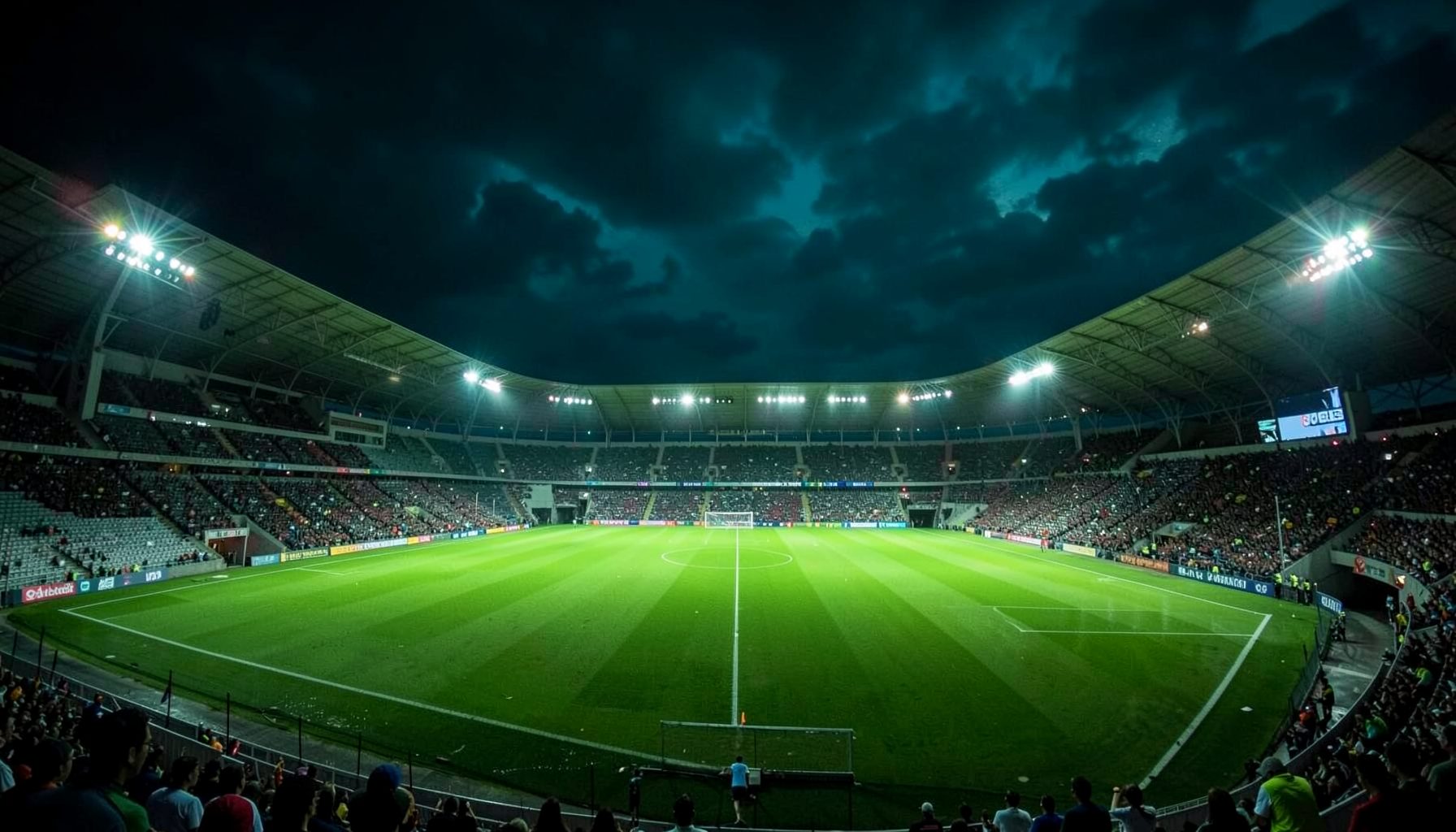
Explore the Full Fixture List
Check schedules, standings, and odds for the leagues you follow, all in one place.
View Schedule