
Welcome
Football Coverage, Around the Clock
Mì Tôm TV — Mitom TV — is a Vietnamese online football platform built for fans who want full HD streams alongside the numbers that matter: schedules, standings, odds, results, and livescore for leagues across the globe. Alongside the live game, the site runs video highlights, football knowledge guides, and news updates around the clock, operating from Ho Chi Minh City.
Browse match times for the Premier League, Champions League, Serie A, La Liga, Bundesliga, Ligue 1, V League, and dozens of other competitions, then check back for results and commentary once the whistle blows.
What You'll Find on Mitom TV
Live Streaming
Schedules
Standings
Odds & Results
Knowledge & News
How pitch dimensions shape football’s playing style
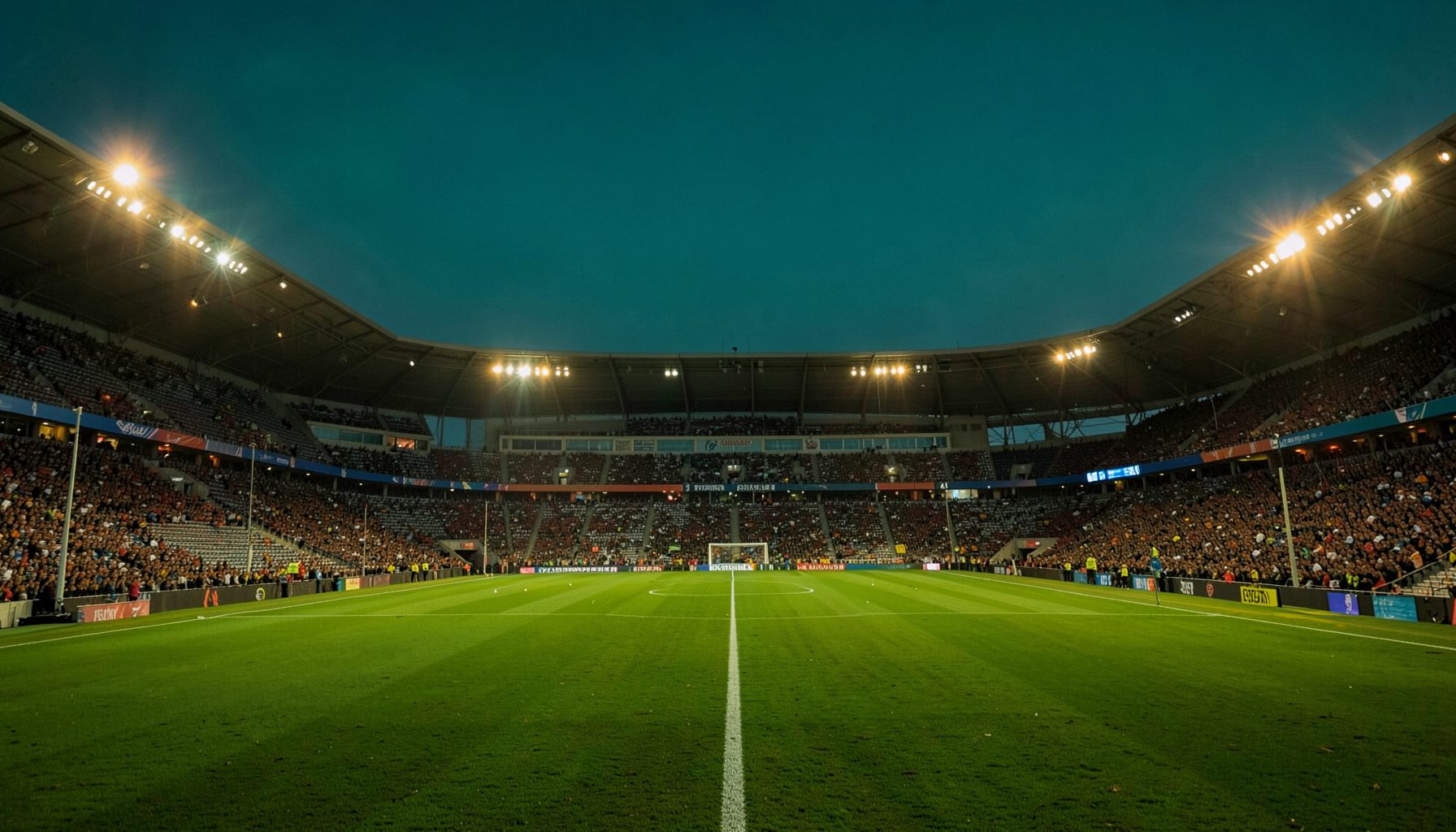
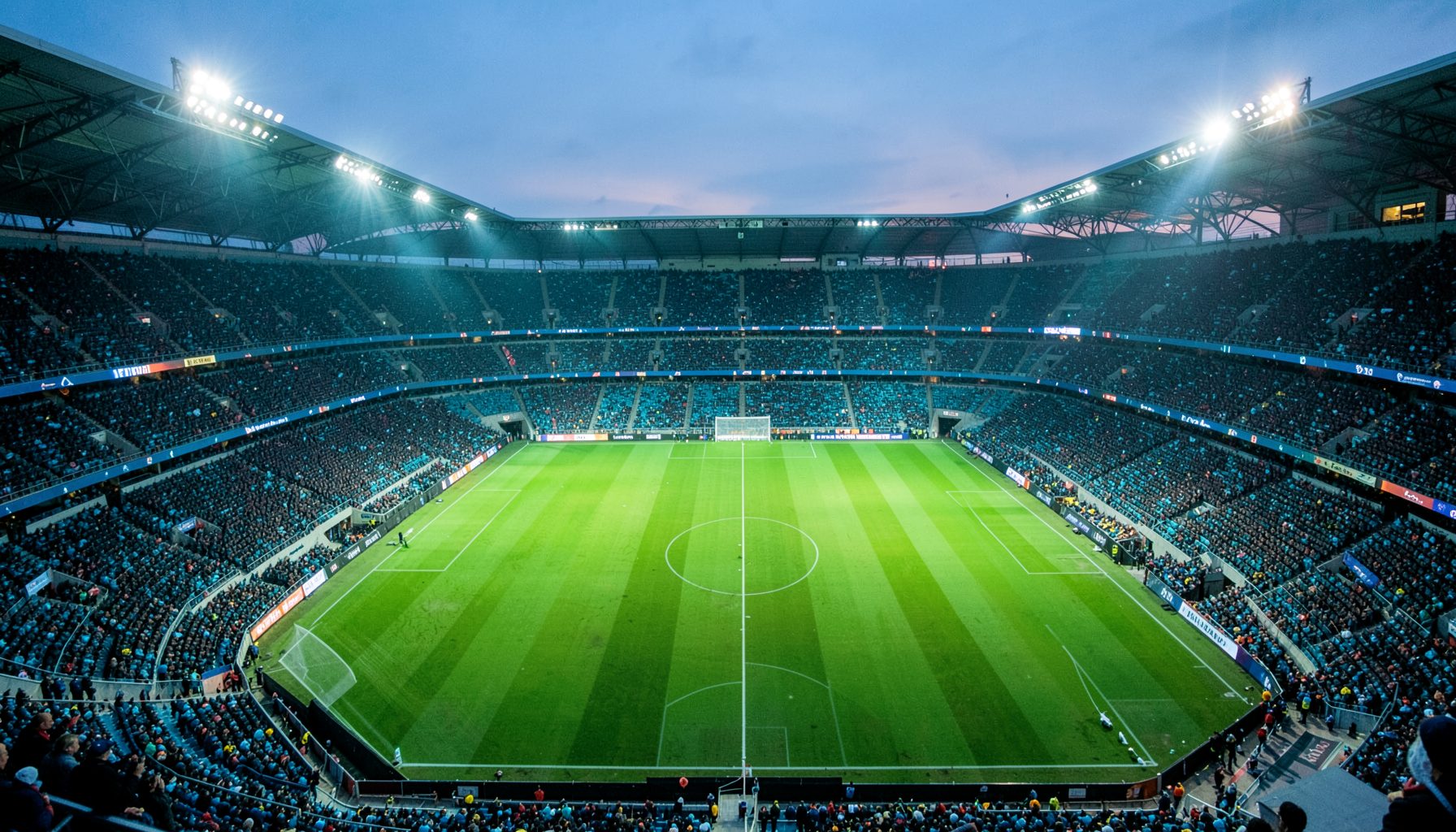
A football pitch may look standardized from the stands, but its exact dimensions can change the rhythm, spacing, and tactical priorities of a match. The laws allow variation in length and width, giving coaches a subtle but important influence over how much room their teams can use.
A wide field can encourage switches of play, overlaps, and patient possession. A narrower surface often compresses the contest, making pressure, direct passing, and physical duels more influential. These differences are especially noticeable when clubs move between domestic leagues and international competitions.
For viewers following live matches, understanding the playing area adds another layer to tactical analysis. The pitch helps explain why one team dominates the wings while another prefers central combinations and quick transitions.
Why dimensions matter
The size of the field affects the distance between teammates and opponents. On a large surface, a defensive block must cover more ground, which can create passing lanes between midfielders and defenders. Attackers may receive the ball facing forward because they have more time to turn.
A compact pitch reduces those gaps. Players encounter pressure sooner, and a misplaced touch can immediately lead to a counterattack. Teams often need faster decision-making, cleaner first touches, and coordinated movement to escape crowded areas.
The dimensions also influence stamina. A high-tempo pressing team may benefit from a smaller field because the ball is closer to the opponent’s goal after a turnover. Conversely, a side that relies on long recoveries and expansive possession may prefer additional width.
How wide pitches support possession
Width stretches a defensive line horizontally. Wingers can stay near the touchline, full-backs can overlap, and midfielders can circulate the ball from one side to the other. This movement forces defenders to choose between protecting the center and closing down wide areas.
When the defense shifts across, gaps may appear in the half-spaces. Creative midfielders can exploit these channels with diagonal passes, while forwards can drift away from central defenders. A broad playing surface therefore supports positional play based on spacing, patience, and controlled rotation.
Wide pitches can also make crosses and cutbacks more effective. A team may reach the byline more often because its wide attackers have room to isolate full-backs. However, possession alone does not guarantee success; the attacking side still needs timing and movement inside the penalty area.
Why narrow fields favor pressure
A narrower pitch brings the touchlines closer to the central corridor. This limits the room available for wingers and makes it easier for defenders to double-team players near the sideline. Short passing combinations must be executed quickly because opponents can close down from several angles.
These conditions often suit aggressive pressing. When a team loses possession, nearby players can surround the ball carrier before the opponent has space to play forward. A narrow field can also reward direct football, second balls, and early deliveries into the penalty box.
The trade-off is that an overly compact defensive approach may invite sustained pressure. If a team sits too deep, it can struggle to move the ball out. The best sides use short distances to defend together while still offering forward outlets after winning possession.
Comparing common tactical effects
The pitch does not determine a match by itself. Surface quality, player profiles, weather, coaching philosophy, and the opponent’s formation all matter. Still, dimensions create recurring tendencies that can be recognized during live coverage.
| Pitch characteristic | Attacking tendencies | Defensive priorities | Players who benefit |
|---|---|---|---|
| Greater width | Switches, overlaps, crosses, half-space runs | Protecting wide channels and shifting quickly | Wingers, attacking full-backs, creative midfielders |
| Reduced width | Central combinations, direct passes, quick transitions | Compact pressure and blocking inside lanes | Ball-winning midfielders, forwards, strong defenders |
| Greater length | Runs behind the defense, counterattacks, stretched transitions | Covering space behind the back line | Fast strikers, mobile center-backs |
| Reduced length | High pressing, territorial control, second balls | Winning duels near the penalty areas | Aggressive forwards, physical midfielders |
The interaction between length and width is crucial. A long, narrow pitch may encourage vertical attacks without offering much room for wing play. A short, wide field can support circulation but reduce the value of running behind the defensive line.
Player roles change with space
Full-backs are among the players most affected by field dimensions. On a wide pitch, they may be asked to provide constant attacking width, while on a narrow surface they might remain closer to the center to support buildup and prevent counters.
Forwards also adjust their movement. A striker on a large field may pull center-backs apart with diagonal runs, while a forward on a compact pitch may drop toward midfield to connect play. This is part of the broader development of flexible attacking roles, including the false nine evolution seen in modern football.
Midfielders must judge when to stay between the lines and when to provide an outlet near the touchline. Their scanning, body orientation, and ability to receive under pressure often decide whether a team can exploit the available space.
Reading the pitch during a match
Viewers can identify tactical effects by observing where attacks begin and how defensive lines react. If a team repeatedly switches play, creates two-versus-one situations on the flank, and finds room behind midfield, the pitch may be helping its possession structure.
If the match features frequent aerial duels, rushed clearances, and rapid attacks through the middle, a tighter field could be reinforcing a more direct style. Live scores and statistics become more useful when paired with these visual patterns, especially when comparing teams from different leagues.
Use these signs when analyzing a fixture:
- Watch whether wingers hold the touchline or move inside.
- Track how far full-backs advance before possession is lost.
- Notice the distance between midfield and defense during pressing.
- Look for switches of play and passes into the half-spaces.
- Compare the number of central attacks with wide entries.
Pitch dimensions are one of football’s quieter tactical forces, but they can shape the entire character of a contest. Follow upcoming fixtures, watch the live action on Mitom TV, and use these spatial clues to understand why teams attack, defend, and transition in different ways.
Explore the Full Fixture List
Check schedules, standings, and odds for the leagues you follow, all in one place.
View Schedule