
Welcome
Football Coverage, Around the Clock
Mì Tôm TV — Mitom TV — is a Vietnamese online football platform built for fans who want full HD streams alongside the numbers that matter: schedules, standings, odds, results, and livescore for leagues across the globe. Alongside the live game, the site runs video highlights, football knowledge guides, and news updates around the clock, operating from Ho Chi Minh City.
Browse match times for the Premier League, Champions League, Serie A, La Liga, Bundesliga, Ligue 1, V League, and dozens of other competitions, then check back for results and commentary once the whistle blows.
What You'll Find on Mitom TV
Live Streaming
Schedules
Standings
Odds & Results
Knowledge & News
How stadium lights shape the experience of night football
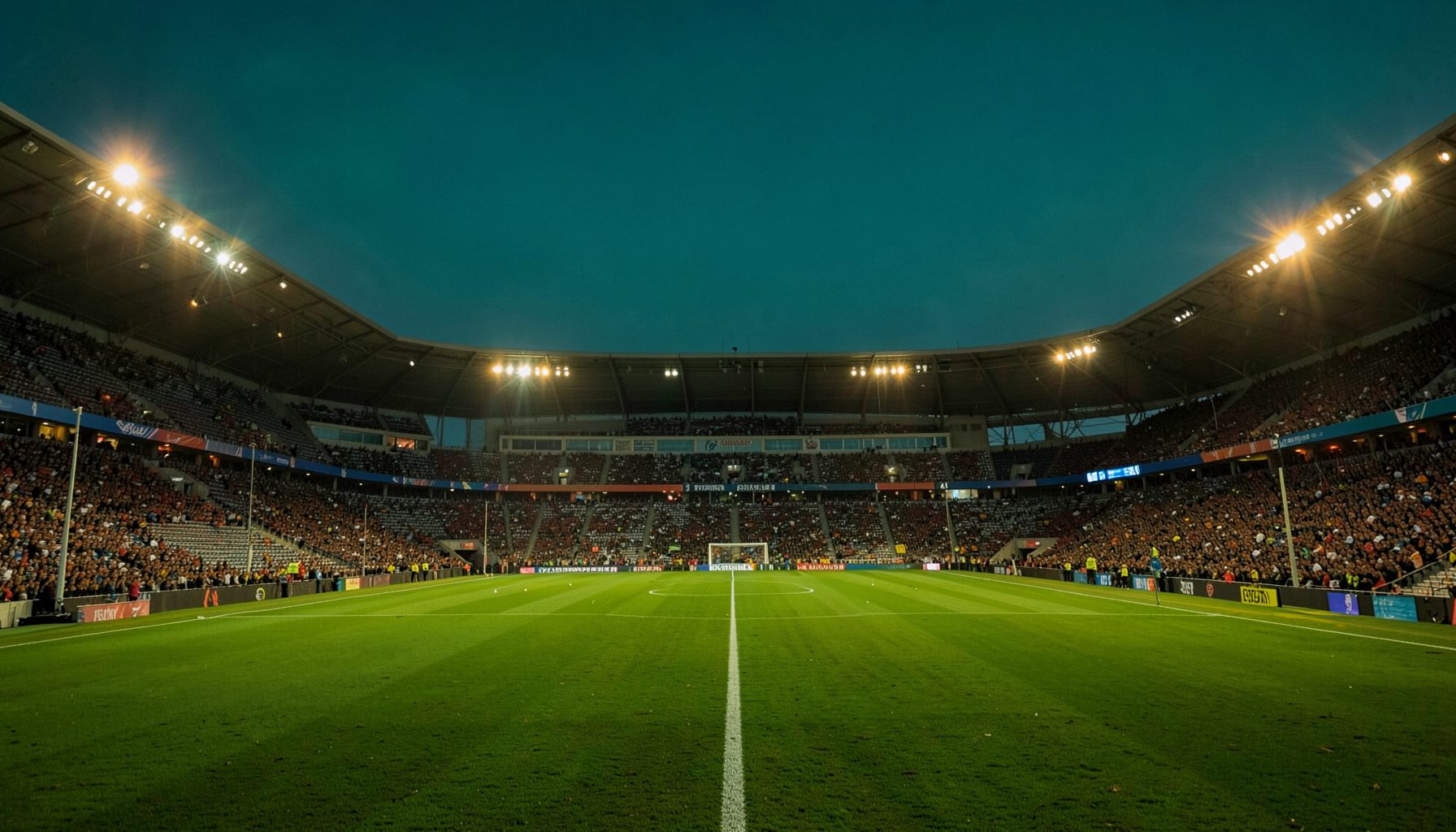
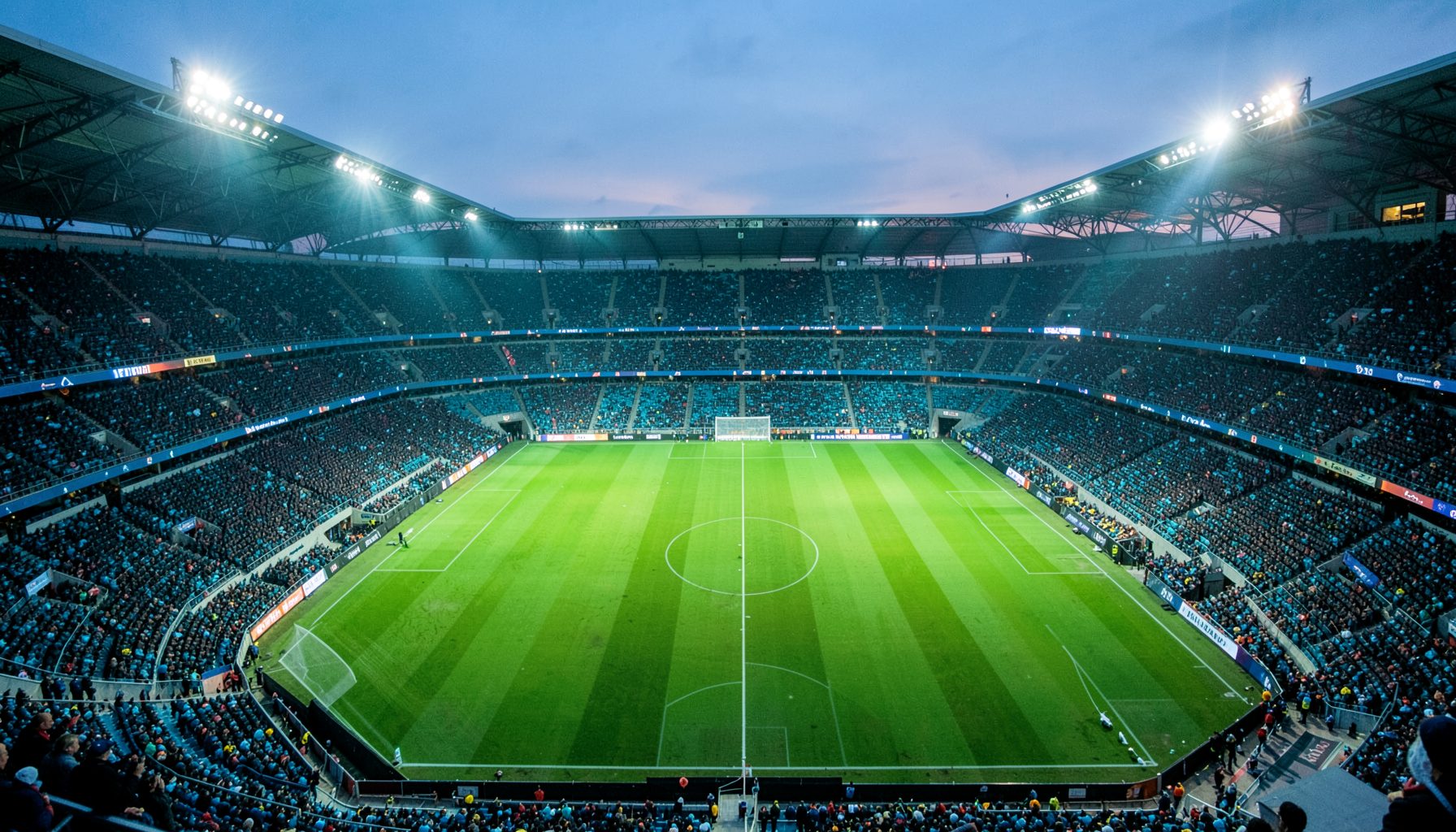
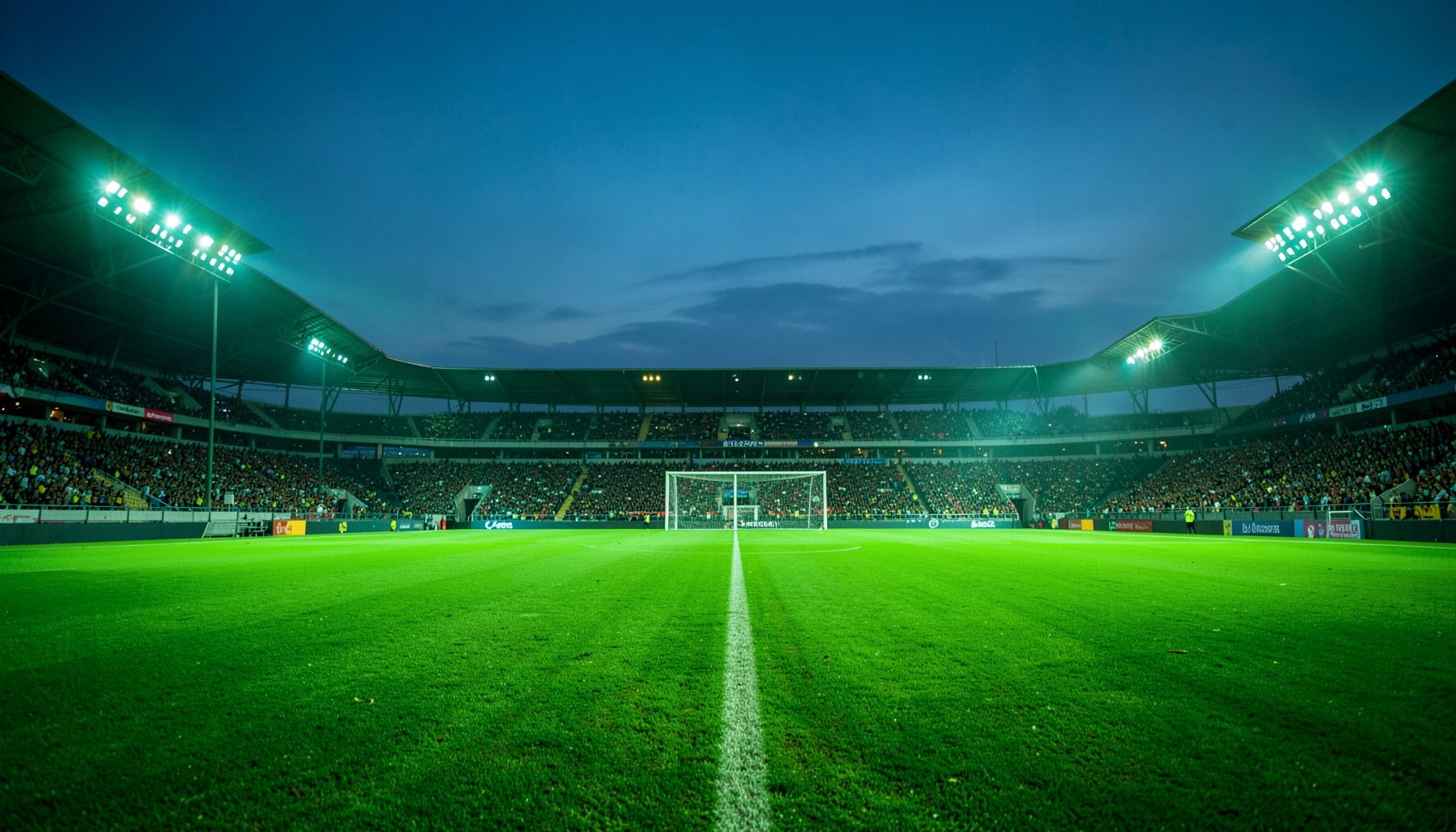
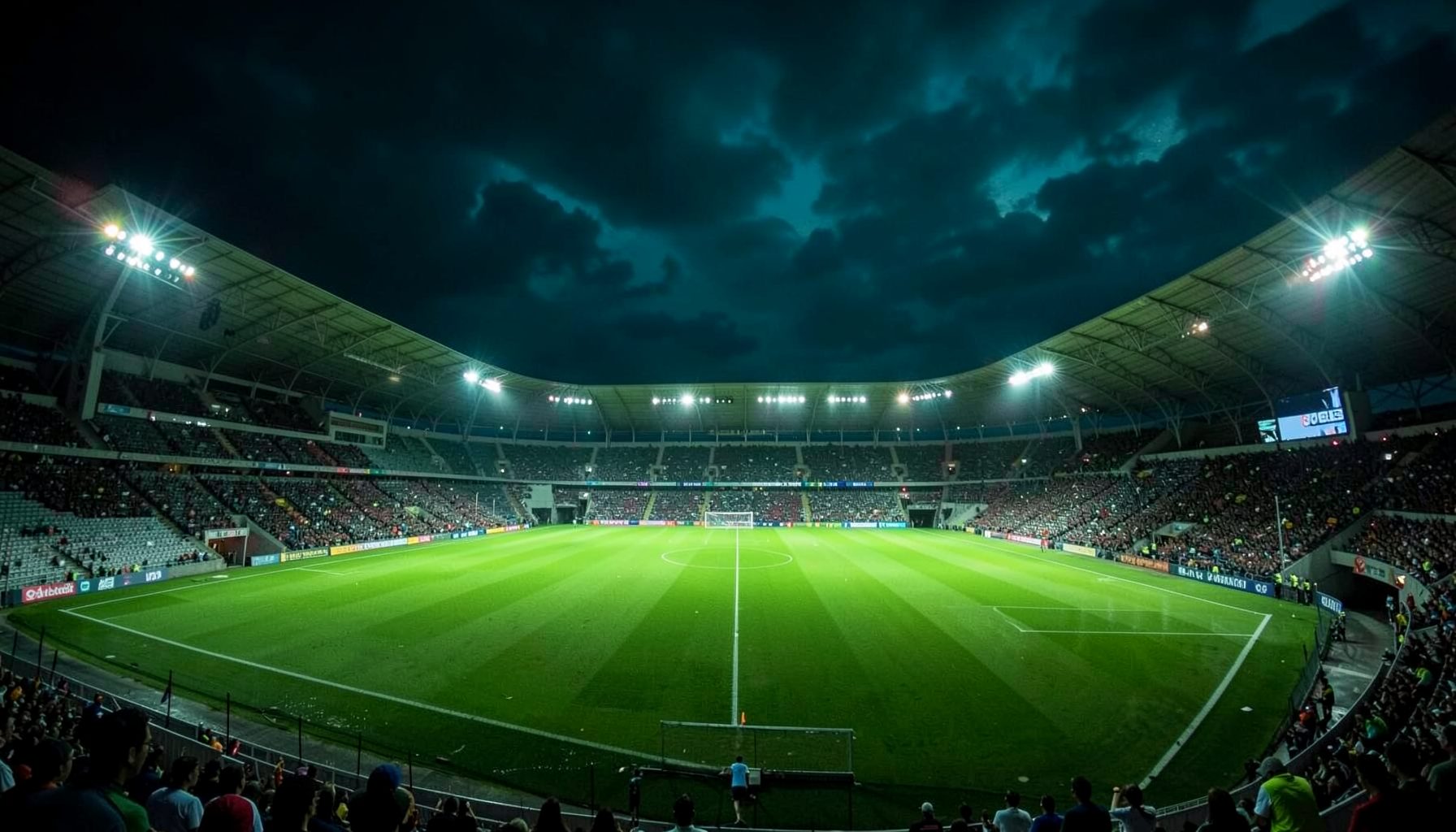
Night football has a distinct atmosphere: bright green turf, sharper shadows, glowing advertising boards, and a crowd framed against the darkness. Behind that visual drama is a carefully engineered lighting system designed to help players, officials, broadcasters, and viewers see the action clearly.
Stadium illumination affects far more than visibility. Light levels influence ball tracking, depth perception, camera performance, player concentration, and the comfort of spectators watching from the stands or through a live stream. The best systems make the lighting feel effortless, even though they rely on precise technical planning.
For football fans following fixtures, livescores, highlights, and international competitions on Mitom TV, these details help explain why one night match can look crisp and vibrant while another appears flat, hazy, or difficult to follow.
Why football needs controlled brightness
A football pitch must be illuminated evenly from one touchline to the other. If some areas are bright and others are dim, players may lose sight of a fast pass as it moves across the field. Uneven lighting can also make it harder for goalkeepers to judge the flight of a cross or long shot.
Brightness is measured in lux, which describes the amount of light reaching a surface. Professional stadiums use high illumination levels, but raw brightness is only part of the calculation. Uniformity, glare control, beam direction, and the color quality of the lamps all determine how useful that light actually is.
How light changes player performance
Good floodlights improve visual reaction time. Players need to identify teammates, opponents, field markings, and the ball within fractions of a second. A stable, evenly lit pitch supports depth perception and helps athletes judge speed and distance during tackles, runs, and aerial challenges.
Glare creates the opposite effect. Light aimed toward a player’s eyes can cause temporary discomfort or reduce contrast, especially when the ball rises against a dark sky. Stadium designers position fixtures at carefully calculated angles and use shielding to limit direct glare from high-powered lamps.
The role of LEDs in modern stadiums
LED floodlights have replaced many older metal-halide systems because they provide immediate full brightness, lower energy consumption, and more precise control. Operators can adjust intensity by zone, create pre-match displays, or produce coordinated lighting effects after a goal without waiting for lamps to warm up.
LED fixtures also support high-speed television cameras. Older lighting systems could produce flicker or inconsistent color under certain camera settings. Modern sports lighting is designed for broadcast standards, so slow-motion replays and live streams retain smoother motion and more natural skin tones.
| Lighting factor | Effect at the stadium | Effect on live viewing |
|---|---|---|
| Illuminance | Makes the pitch and ball easier to see | Produces a brighter, clearer picture |
| Uniformity | Reduces dark patches across the field | Keeps action visible during camera pans |
| Color rendering | Preserves natural turf and kit colors | Helps broadcasts look realistic |
| Glare control | Protects players from harsh light | Reduces washed-out areas and lens flare |
| Flicker control | Supports comfortable vision and camera work | Improves slow-motion and high-frame-rate video |
Color temperature and broadcast quality
Color temperature describes whether light appears warm or cool, measured in kelvins. Stadiums commonly use a neutral-to-cool white that makes the pitch appear vivid and gives cameras a consistent reference. The exact setting depends on the fixture design, broadcast requirements, and surrounding architecture.
Color rendering is equally important. Two lamps may produce similar brightness while showing colors differently. High-quality sports lighting allows viewers to distinguish team kits, referee shirts, pitch lines, and advertising graphics with greater accuracy. This matters for fans watching international football across different leagues and venues.
Shadows, contrast, and the moving ball
Football depends on contrast. The ball must stand out from the grass, players, and background, yet excessive contrast can create confusing shadows. Multiple banks of floodlights are used to illuminate the pitch from different directions, reducing the chance that a player or ball becomes hidden in a deep shadow.
Camera exposure adds another layer. A broadcast camera must balance the bright field with darker stands and the night sky. If the lighting is poorly managed, the pitch may look overexposed while spectators disappear into blackness. Consistent illumination gives production teams more freedom to show tactical formations, crowd reactions, and replays.
Weather and stadium design
Rain, mist, dust, and humidity can scatter artificial light. In wet conditions, the pitch may reflect floodlights and produce bright patches that affect both players and cameras. Stadium roofs, nearby buildings, and the height of lighting towers are therefore considered during the design process.
Modern venues often place LED units around the roof edge rather than relying only on distant towers. This arrangement can reduce shadows and improve uniformity, while smart controls allow technicians to compensate for changing weather. In coastal or tropical locations, maintenance is especially important because moisture and heat can affect electrical equipment and optical performance.
Practical ways to watch night matches clearly
The viewing environment also influences how stadium lighting feels on screen. A bright room can make a televised match appear dull, while reflections on a display can hide subtle movement near the touchline. A stable internet connection and a suitable screen help preserve the clarity created by the stadium’s lighting system.
For a better live football experience:
- Watch in a room with controlled, indirect lighting.
- Reduce reflections on the screen before kickoff.
- Use a reliable connection for Full HD streaming.
- Check the match schedule and competition details in advance.
- Compare live coverage with highlights and commentary after the final whistle.
Night games demonstrate how engineering and sport work together. Carefully measured floodlights help players react faster, allow officials to follow the action, and give broadcasters the visual quality fans expect from major European leagues and international competitions. The next time a late fixture appears brilliantly clear on Mitom TV, the stadium’s lighting design will be playing a quiet but essential role.
Follow upcoming fixtures, livescores, results, and live football coverage on Mitom TV to see how every venue brings the night game to life.
Explore the Full Fixture List
Check schedules, standings, and odds for the leagues you follow, all in one place.
View Schedule